
Choosing between city vs nature travel can feel overwhelming when you’re craving a meaningful escape but aren’t sure which experience will truly satisfy your wanderlust. Are you seeking vibrant streets, world-class cuisine, and cultural landmarks—or quiet trails, open landscapes, and a deeper connection with the natural world? This guide is designed to help you decide by breaking down the benefits, challenges, costs, and unique rewards of each travel style.
We’ve analyzed current travel trends, gathered insights from seasoned globetrotters, and drawn on real-world adventure planning strategies to give you practical, experience-backed advice. Whether you’re mapping out your first international trip or refining your travel style, this article will clarify what each option offers and how to align it with your goals, budget, and personal interests.
By the end, you’ll have a clear, confident perspective on which journey fits you best—and how to plan it right.
Choosing between skylines and summits shouldn’t feel like a personality test. Most guides insist cities mean culture and mountains mean calm. That’s lazy thinking. Travel is contextual. Sometimes a metropolis offers more solitude than a crowded national park (yes, really). And sometimes a trailhead teaches you more about culture than a museum. When weighing city vs nature travel, interrogate your energy, budget, and curiosity.
Consider:
- Stimulation: do you crave noise and novelty?
- Space: do you need room to think?
Contrary to Instagram lore, the “right” choice isn’t aspirational; it’s practical. Choose the setting that serves season of you.
The Pulse of the Metropolis: Why Choose a City Break?
Where Culture and Chaos Collide
I’ll admit it: my first city break was a mess. I overpacked, underplanned, and spent half a day stuck in the wrong metro line. Yet, somewhere between that transit blunder and an accidental detour into a neighborhood art fair, I understood the magic.
Cities are living museums. From the Louvre welcoming nearly 9 million visitors annually (Statista, 2023) to tucked-away galleries showcasing emerging artists, cultural immersion happens fast. However, I once tried to “see it all” in 48 hours and burned out by day two. Lesson learned: depth beats speed. Pick a few landmarks, then wander.
Then there’s the food. I skipped a street stall in Bangkok because it “looked too busy.” Big mistake. That stall later earned a Michelin Bib Gourmand. Culinary exploration rewards curiosity (and sometimes a short queue).
Admittedly, some argue city vs nature travel is too overwhelming—too noisy, too crowded. Fair point. Still, that 24/7 energy means convenience: reliable transport, diverse stays, and last-minute plans that actually work.
Pro tip: build in unstructured time. My best discoveries happened after wrong turns.
In the end, cities teach resilience, spontaneity, and openness. And occasionally, they teach you how to read a subway map properly.
Whispers of the Wild: The Case for a Nature Escape
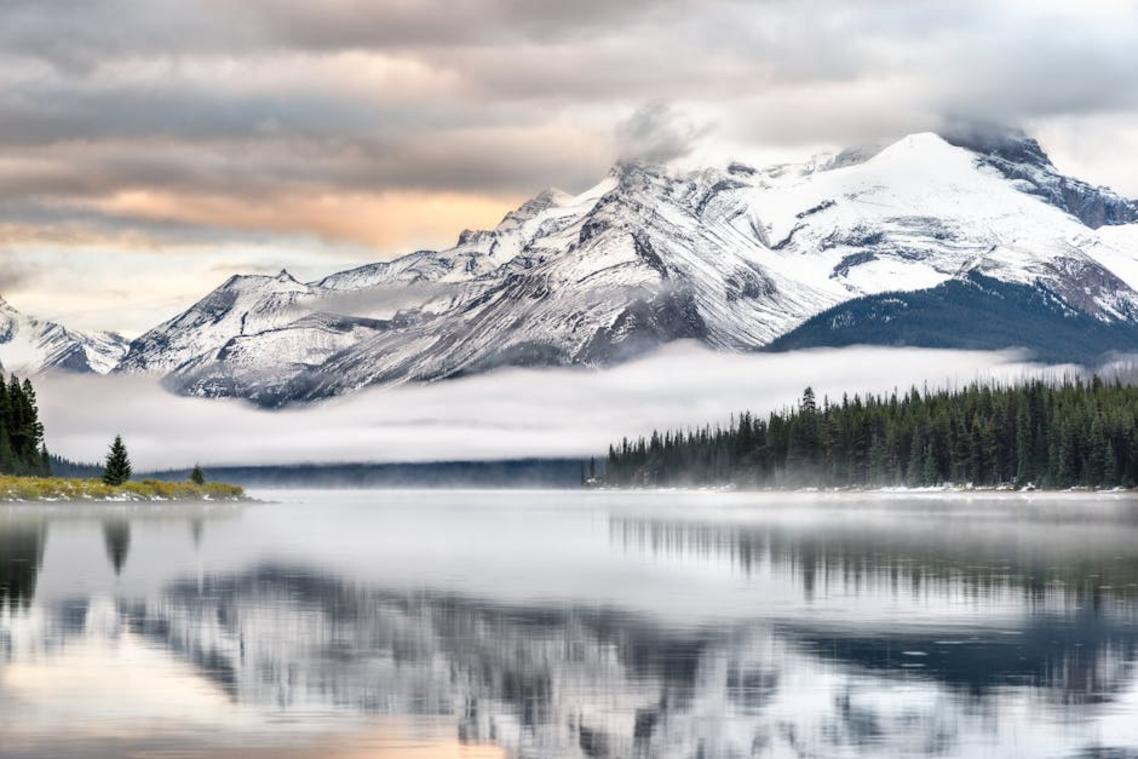
In a world buzzing with notifications, traffic, and twenty-four-hour news cycles, a retreat into nature is beyond a vacation; it is a neurological reset. Studies show time in green spaces lowers cortisol levels and improves mood (APA). That is not poetic language; it is measurable biology.
Skeptics argue that city breaks offer culture, cuisine, and convenience, and they are right. Yet the city vs nature travel debate misses a key advantage: immersion. Forest trails and coastal paths demand presence; there is no endless scrolling at 10,000 feet on a cliff face. (Even your phone battery gives up.)
Active Adventure Without the Algorithm
Nature doubles as a training ground and therapy session. Hiking strengthens cardiovascular endurance, kayaking builds core stability, and rock climbing sharpens problem-solving under pressure. Unlike curated gym routines, these challenges are self-paced. You compete only with yesterday’s version of yourself. Pro tip: rent gear locally before investing; many parks and outfitters offer packages that lower the barrier to entry.
From starlit deserts to misty mountains, the wild offers perspective money cannot buy and screens cannot stream in high definition ever.
emerging wanderlust highlights travelers are discovering in 2026
A Practical Breakdown for Your Travel Style
Choosing between city vs nature travel isn’t just about scenery—it’s about energy, logistics, and what kind of stories you want to tell when you get home.
Pace of Travel
Urban trips move fast. Think Tokyo’s Yamanote Line looping through Shibuya and Shinjuku, or trying to stack a Vatican tour, Trastevere dinner, and Colosseum night walk into one Roman afternoon (ambitious, but doable). Nature trips slow things down. In Banff or the Dolomites, your schedule bends to sunrise hikes and weather windows. If your idea of fun is squeezing in “just one more stop,” cities win. If you’d rather linger by Moraine Lake until the light shifts, nature calls.
Budgeting Differences
Cities concentrate costs: boutique hotels in Paris’s 7th arrondissement, Broadway tickets in NYC, omakase counters in Osaka. Entry fees and dining add up quickly. Nature travel redistributes spending. You might save on food by cooking at a campsite in Yosemite, but spend on 4WD rentals in Iceland’s Highlands or bear canisters and park permits. (Pro tip: book national park entry slots early—timed reservations sell out fast.)
Accommodation Styles
Urban stays range from capsule hotels in Kyoto to design-forward hostels in Berlin’s Kreuzberg. Nature offers forest cabins in Oregon, riads near Morocco’s Atlas foothills, or backcountry huts managed by alpine clubs. Each shapes your rhythm—concierge recommendations versus ranger briefings.
Types of Activities
City: museums, theater, shopping, architecture tours. Nature: hiking, swimming, stargazing, wildlife photography. One feeds your curiosity; the other resets your nervous system (like switching from espresso to herbal tea).
Social Interaction
Cities buzz with rooftop bars and walking tours where strangers become dinner companions. Nature leans intimate—solo reflection on a Scottish moor or bonding over a shared camp stove. Neither is better. The right choice depends on what you need right now.
The idea of a hybrid trip can sound complicated, but it simply blends city vs nature travel into one seamless plan. Think of it in two clear frameworks:
-
The “Base Camp” Strategy: Pick a gateway city like Denver (for the Rockies) or Vancouver (for coastal mountains). You enjoy urban comforts, then take easy day trips outward.
-
The “Bookend” Approach: Begin with museums and food scenes, then finish in wide-open landscapes to decompress before flying home.
Ideal pairings include Salt Lake City (downtown culture plus nearby national parks) and Queenstown (adventure hub with fjords). It keeps logistics simple. Overall.
You’ve clarified your pace, budget, and must‑do experiences. Now comes the real move: deciding what fits THIS season of your life. The debate over city vs nature travel misses the point. It’s not about better; it’s about alignment.
If you crave stimulation, late‑night food stalls, and museum marathons, you’re choosing discovery. If your shoulders drop at the thought of pine air and patchy cell service, you’re choosing disconnection.
What’s next? Sketch a rough itinerary, price it out, and check your energy levels. Then book one anchor experience. Momentum kills indecision (and overthinking). Your answer is already there. Trust your instincts.
Your Next Adventure Starts Now
You came here looking for clarity on planning unforgettable journeys, whether you’re drawn to city vs nature travel experiences, cultural immersion, or budget-smart exploration. Now you have the strategies to map out meaningful adventures without feeling overwhelmed or overspending.
The real frustration isn’t a lack of destinations — it’s not knowing how to turn inspiration into a clear, affordable plan. With the right approach to budgeting, thoughtful itineraries, and deeper cultural engagement, you can travel with confidence instead of second-guessing every detail.
Now it’s time to act. Choose your next destination, outline your budget, and start building your adventure plan today. If you want curated guides, proven travel strategies, and trusted insights from a top-rated travel resource, explore our latest travel planning tools and guides now — and turn your wanderlust into a booked experience.
 Gregory Wrighthingers is the kind of writer who genuinely cannot publish something without checking it twice. Maybe three times. They came to global travel guides and insights through years of hands-on work rather than theory, which means the things they writes about — Global Travel Guides and Insights, Adventure Planning Strategies, Travel Packing and Budgeting Tips, among other areas — are things they has actually tested, questioned, and revised opinions on more than once.
That shows in the work. Gregory's pieces tend to go a level deeper than most. Not in a way that becomes unreadable, but in a way that makes you realize you'd been missing something important. They has a habit of finding the detail that everybody else glosses over and making it the center of the story — which sounds simple, but takes a rare combination of curiosity and patience to pull off consistently. The writing never feels rushed. It feels like someone who sat with the subject long enough to actually understand it.
Outside of specific topics, what Gregory cares about most is whether the reader walks away with something useful. Not impressed. Not entertained. Useful. That's a harder bar to clear than it sounds, and they clears it more often than not — which is why readers tend to remember Gregory's articles long after they've forgotten the headline.
Gregory Wrighthingers is the kind of writer who genuinely cannot publish something without checking it twice. Maybe three times. They came to global travel guides and insights through years of hands-on work rather than theory, which means the things they writes about — Global Travel Guides and Insights, Adventure Planning Strategies, Travel Packing and Budgeting Tips, among other areas — are things they has actually tested, questioned, and revised opinions on more than once.
That shows in the work. Gregory's pieces tend to go a level deeper than most. Not in a way that becomes unreadable, but in a way that makes you realize you'd been missing something important. They has a habit of finding the detail that everybody else glosses over and making it the center of the story — which sounds simple, but takes a rare combination of curiosity and patience to pull off consistently. The writing never feels rushed. It feels like someone who sat with the subject long enough to actually understand it.
Outside of specific topics, what Gregory cares about most is whether the reader walks away with something useful. Not impressed. Not entertained. Useful. That's a harder bar to clear than it sounds, and they clears it more often than not — which is why readers tend to remember Gregory's articles long after they've forgotten the headline.