

Planning your next trip into the wild and not sure what to pack? This outdoor adventure gear guide is designed to help you choose the right equipment for safety, comfort, and performance—whether you’re hiking alpine trails, trekking through rainforests, or camping under desert skies. Travelers often waste money on gear they don’t need or overlook essentials that can make or break an experience. This guide cuts through the noise with practical recommendations, smart packing strategies, and field-tested insights tailored to real-world adventures.
We’ve analyzed expert gear reviews, consulted experienced trekkers, and studied performance feedback across diverse climates to ensure every recommendation is reliable and up to date. You’ll find clear advice on must-have essentials, lightweight packing solutions, and budget-conscious options that don’t sacrifice quality.
If your goal is to travel smarter, lighter, and more confidently, this guide will help you prepare for the outdoors with clarity and confidence.
Your Adventure Starts with the Right Gear
There’s a world of difference between stepping onto a trail feeling dialed in and standing there wondering if the weather will turn on you. Too many beginners overpack (hello, five “just in case” jackets) or worse, forget essentials like water purification or a headlamp. According to the National Park Service, inadequate preparation contributes to thousands of search and rescue incidents each year. This outdoor adventure gear guide cuts through the noise. Below, you’ll find the non-negotiable items for any day hike, multi-day trek, or camping trip—so you’re safe, comfortable, and ready. Plan wisely.
The Core of Preparedness: The Ten Essentials System
The Ten Essentials is the gold standard for outdoor safety—a framework developed by The Mountaineers in the 1930s to reduce preventable backcountry accidents. Nearly 70% of search-and-rescue incidents stem from poor planning or lack of proper gear (National Park Service). This system exists to fix that.
Here’s what it includes—and why each item matters.
Navigation
Map, compass, and GPS device/power bank. Electronics fail. Batteries die. Signals drop. In 2022, over 40% of lost-hiker rescues involved GPS misuse (American Alpine Club). A paper map and compass don’t crash (old-school, yes—but so is surviving).
Sun Protection
Sunglasses, sunscreen, sun-protective clothing. UV exposure increases 4–10% with every 1,000 feet of elevation (EPA). Snow reflection can double that.
Insulation
Extra non-cotton layers. Cotton traps moisture and accelerates hypothermia—wet clothing contributes to rapid heat loss 25 times faster than dry air (CDC). Think layering: base (moisture-wicking), mid (insulating), shell (weather-blocking).
Illumination
Headlamp or flashlight with extra batteries. More than half of backcountry delays extend past sunset (NPS data). Darkness turns simple trails into obstacle courses.
First-Aid Supplies
Pre-made kit or customized version. Studies show immediate first aid significantly reduces injury severity in wilderness settings (Wilderness Medical Society).
Fire
Waterproof matches, lighter, fire starter. Fire provides warmth, signaling, and psychological comfort (yes, morale matters).
Repair Kit and Tools
Multi-tool, duct tape, gear-specific fixes. A snapped strap miles from the trailhead becomes a real problem fast.
Nutrition
An extra day of no-cook food. Rescue timelines often exceed initial plans.
Hydration
Extra water plus filtration or purification tablets. Dehydration impairs judgment before you notice it.
Emergency Shelter
Tent, tarp, or emergency bivy. Exposure remains a leading factor in wilderness fatalities (NOAA).
Any credible outdoor adventure gear guide will echo this: preparedness isn’t paranoia—it’s probability management.
The Big Three: Pack, Shelter, and Sleep System
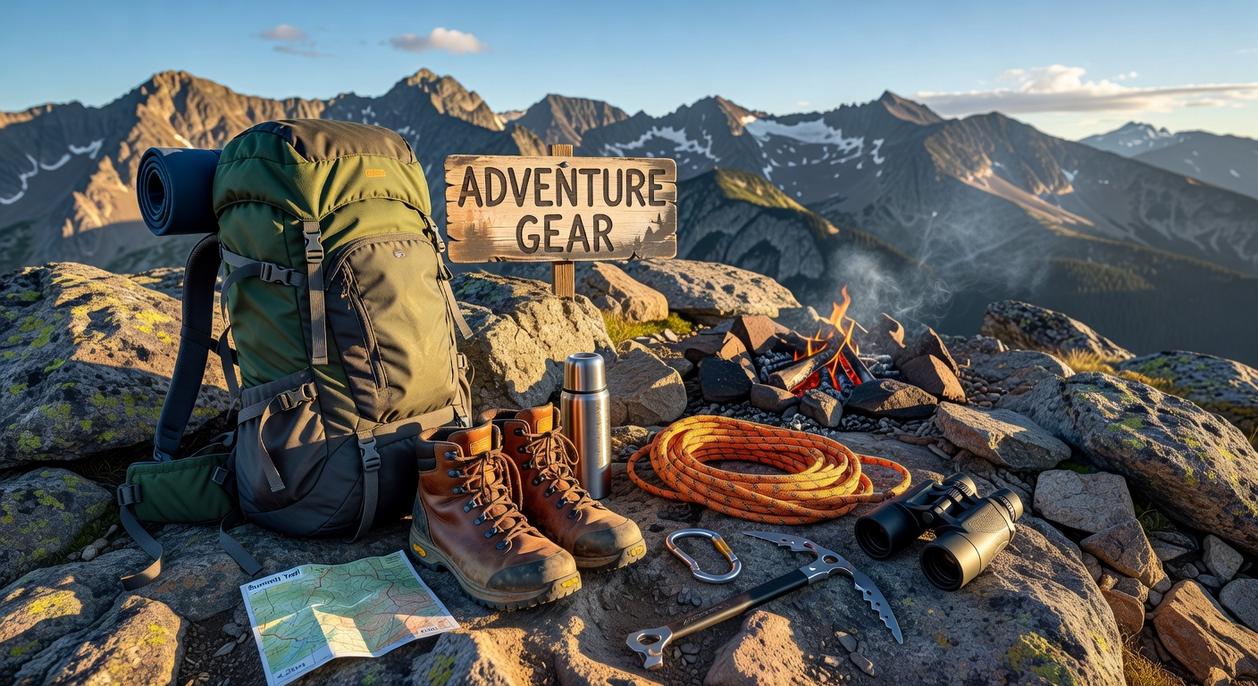
First, let’s talk backpacks. Size is measured in liters, which refers to storage capacity. For a day hike, 15–30L usually works; for an overnight trip, aim for 40–60L. As a rule of thumb, pack your gear first, then choose the bag—not the other way around. Fit matters most: the hip belt should carry 70–80% of the weight (your shoulders will thank you). Look for an internal frame for stability and multiple access points so you’re not digging like you’re on a reality survival show.
Next, shelter. Tents offer full protection from bugs and storms but weigh more. Tarps are ultralight and flexible, though they require solid knot skills and fair weather planning. Hammocks are comfortable and keep you off wet ground, yet they depend on sturdy trees. Consider your environment first—desert, alpine, forest—then match your shelter style accordingly.
Finally, your sleep system combines a sleeping bag and sleeping pad. Temperature ratings indicate the lowest safe limit (comfort ratings are more realistic). Down fill is lighter; synthetic handles moisture better. Pair this with a pad’s R-value—its insulation rating. For cold trips, choose R-4 or higher. Pro tip: test your setup in your backyard before relying on it. For deeper comparisons, consult an outdoor adventure gear guide.
Foundation First: Choosing the Right Footwear
The wrong footwear can ruin a trip faster than bad weather. Blisters, rolled ankles, soggy toes—suddenly that dream hike feels like a survival episode (and not the fun kind). That’s why your foundation matters.
First, know the difference. Hiking shoes are low-cut, lightweight, and ideal for well-marked trails. Trail runners prioritize flexibility and breathability, making them great for fast-paced or warm-weather treks. Hiking boots, meanwhile, offer higher ankle support and sturdier midsoles for rocky, uneven terrain. More structure means more stability—especially when carrying a loaded pack.
Next, consider features. Waterproof membranes like Gore-Tex keep feet dry in wet climates, while breathable mesh prevents overheating in arid zones. Deep-lug outsoles improve traction on mud or gravel. (Pro tip: match tread depth to terrain, not just style.)
And don’t forget socks. Wool or synthetic blends wick moisture and reduce friction; cotton traps sweat and invites blisters. For more planning tips, see creating a flexible itinerary for multi activity adventure trips and our outdoor adventure gear guide.
Dress for the Elements: A Guide to Layering
Layering isn’t about piling on clothes—it’s about managing moisture and regulating body temperature so you stay dry and warm in changing conditions. Think of it as a system, not a single jacket.
Base Layer: This sits against your skin and wicks (pulls) sweat away so it can evaporate. Merino wool and synthetic fabrics excel here. If you’ve ever felt chilled after sweating on a hike, that’s trapped moisture working against you.
Mid Layer: Your insulation. Fleece or a lightweight puffy jacket traps body heat in tiny air pockets. (Yes, like your own portable climate control.) Add or remove this layer as activity levels change.
Shell Layer: Your shield against wind and rain. A waterproof, windproof jacket and pants block the elements while letting excess heat escape.
The No Cotton Rule: Cotton absorbs moisture and loses insulation when wet, increasing hypothermia risk (CDC). Leave it behind.
Pro tip: Test your system before big trips using an outdoor adventure gear guide to fine-tune combinations.
Being prepared for the trail isn’t about owning the most expensive gear; it’s about choosing the right gear. You set out to avoid two extremes: underpacking and risking safety, or overpacking and hauling a backcountry closet on your shoulders. On one side, lightweight essentials that serve multiple purposes. On the other, flashy extras that add weight but little value. This framework works because it prioritizes safety, comfort, and flexibility. So before your next trip, use this outdoor adventure gear guide as a checklist and start with a thorough audit of what you already own. Then pack smarter, not heavier today.
Ready for Your Next Adventure?
You came here looking for clarity on how to plan smarter, travel deeper, and make every journey unforgettable—and now you have it. From mapping out immersive cultural experiences to budgeting wisely and choosing the right destinations, you’re better equipped to turn wanderlust into well-executed reality.
The biggest travel pain point isn’t lack of desire—it’s uncertainty. Not knowing where to start, what to pack, or how to avoid costly mistakes can keep incredible adventures stuck in the “someday” category. With the insights you’ve gained here, that hesitation no longer has to hold you back.
Now it’s time to take action. Use this outdoor adventure gear guide to prepare confidently, finalize your itinerary, and lock in your plans. Travelers who plan strategically experience more, stress less, and save smarter.
Don’t let another season pass you by. Start planning your next adventure today, refine your gear list, set your budget, and take the first bold step toward the journey you’ve been dreaming about.
 Syrelia Xelthorne is the kind of writer who genuinely cannot publish something without checking it twice. Maybe three times. They came to bianca voyage cultural immersions through years of hands-on work rather than theory, which means the things they writes about — Bianca Voyage Cultural Immersions, Global Travel Guides and Insights, Wanderlust Highlights, among other areas — are things they has actually tested, questioned, and revised opinions on more than once.
That shows in the work. Syrelia's pieces tend to go a level deeper than most. Not in a way that becomes unreadable, but in a way that makes you realize you'd been missing something important. They has a habit of finding the detail that everybody else glosses over and making it the center of the story — which sounds simple, but takes a rare combination of curiosity and patience to pull off consistently. The writing never feels rushed. It feels like someone who sat with the subject long enough to actually understand it.
Outside of specific topics, what Syrelia cares about most is whether the reader walks away with something useful. Not impressed. Not entertained. Useful. That's a harder bar to clear than it sounds, and they clears it more often than not — which is why readers tend to remember Syrelia's articles long after they've forgotten the headline.
Syrelia Xelthorne is the kind of writer who genuinely cannot publish something without checking it twice. Maybe three times. They came to bianca voyage cultural immersions through years of hands-on work rather than theory, which means the things they writes about — Bianca Voyage Cultural Immersions, Global Travel Guides and Insights, Wanderlust Highlights, among other areas — are things they has actually tested, questioned, and revised opinions on more than once.
That shows in the work. Syrelia's pieces tend to go a level deeper than most. Not in a way that becomes unreadable, but in a way that makes you realize you'd been missing something important. They has a habit of finding the detail that everybody else glosses over and making it the center of the story — which sounds simple, but takes a rare combination of curiosity and patience to pull off consistently. The writing never feels rushed. It feels like someone who sat with the subject long enough to actually understand it.
Outside of specific topics, what Syrelia cares about most is whether the reader walks away with something useful. Not impressed. Not entertained. Useful. That's a harder bar to clear than it sounds, and they clears it more often than not — which is why readers tend to remember Syrelia's articles long after they've forgotten the headline.