
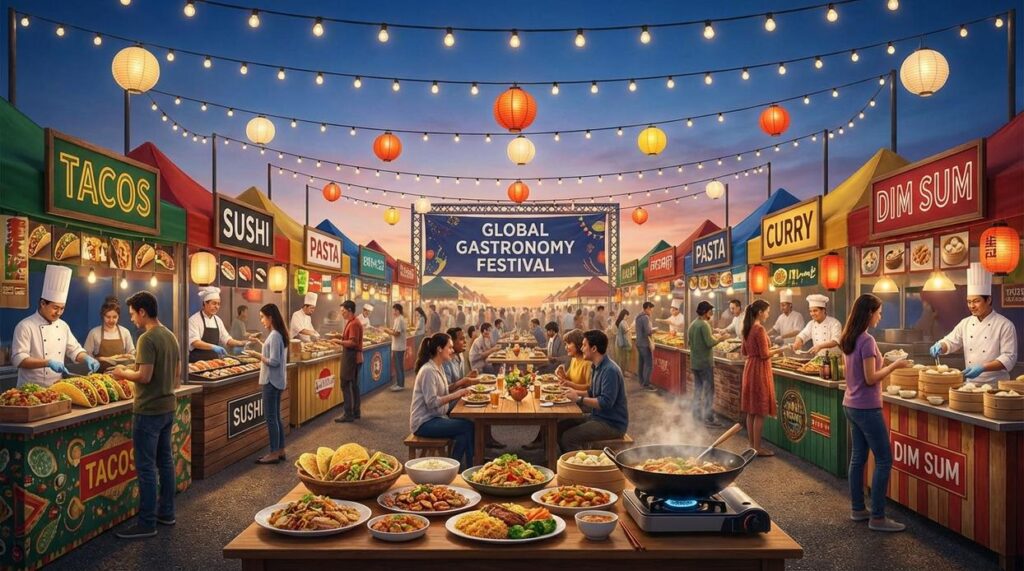
Planning your next adventure should feel exciting—not overwhelming. If you’re searching for meaningful ways to explore new destinations, discover authentic flavors, and experience cultures beyond the typical tourist path, this guide is designed for you. From immersive city itineraries to global food tour experiences, we’ll show you how to turn any trip into a rich, unforgettable journey.
Travel today is about more than sightseeing. It’s about connection—tasting regional dishes where they originated, navigating vibrant markets, learning local customs, and stretching your budget without sacrificing experience. In this article, you’ll find practical travel planning strategies, cultural insights, and smart budgeting tips that help you explore confidently and intentionally.
Our recommendations draw from in-depth destination research, firsthand travel analysis, and proven adventure-planning frameworks—so you can spend less time guessing and more time experiencing the world in a way that feels authentic, inspired, and uniquely yours.
Sizzling oil pops in a Bangkok alley, chili and garlic perfuming the humid night as noodles hit the wok. In Rome, fresh pasta steams, smelling like flour and devotion (yes, devotion). Yet many travelers leave with selfies—not stories—feeling they’ve sampled a city but never tasted it.
Why Food Tours Change Everything
Food is culture you can chew. Guided tastings turn meals into meaning through global food tour experiences that reveal history, etiquette, and family secrets.
- Ask vendors questions (they love it).
- Compare prices before booking.
- Budget for tips and seconds.
This guide helps you choose wisely, plan smartly, and eat adventurously—without tourist-trap regret.
Beyond the Plate: Why a Food Tour is Your Ultimate Travel Hack
You can explore a city two ways: wander into the nearest restaurant with five-star reviews—or follow a local who knows which doorway hides a grandmother’s 40-year-old recipe. Option A feeds you. Option B feeds your understanding.
Cultural Immersion on a Deeper Level
Food isn’t just fuel; it’s a living archive. Cultural immersion means experiencing traditions firsthand rather than observing from the sidelines. For example, tasting mole in Oaxaca without learning its Indigenous roots is like watching a historical drama on mute (visually stunning, but you miss the plot). A guided tour connects dishes to migration patterns, trade routes, and family rituals—context you simply won’t get from a menu description.
Access to Local Secrets
On your own, you risk tourist traps. With a guide, you unlock:
- Family-run eateries tucked behind unmarked doors
- Market vendors with generations-old techniques
- Artisan producers rarely listed on travel apps
In contrast, independent searching can mean hours scrolling reviews.
Efficiency and Discovery
Time is precious. Food tours streamline discovery, offering curated tastings in one afternoon. Some argue spontaneity is more “authentic.” Fair—but strategic planning often leads to richer surprises.
Connect with People, Not Just Places
Ultimately, global food tour experiences transform meals into conversations. You meet chefs, hear vendors’ stories, and share tables with strangers who feel like friends (yes, even before dessert).
How to Choose a World-Class Culinary Experience
A great food tour isn’t just about eating—it’s about context, culture, and connection. But with so many options out there, how do you separate the extraordinary from the overpriced?
Focus & Itinerary
Not all tours are created equal. Some spotlight street food stalls; others revolve around fine dining or market-to-table cooking classes. Ask yourself what excites you most. If you dream about sizzling night markets, a white-tablecloth tasting menu may feel stiff (and vice versa).
Some argue you should choose the broadest itinerary possible to “see it all.” But depth often beats variety. A focused tour typically means richer stories, better tastings, and hands-on experiences.
The Guide’s Expertise
A knowledgeable local guide transforms a meal into a memory. Look for reviews praising storytelling and cultural insight—not just portion sizes. According to TripAdvisor’s experience trends reports, tours led by highly rated guides consistently outperform others in guest satisfaction.
Pro tip: Search reviews for the guide’s name. If travelers remember them personally, that’s a strong sign.
Group Size Matters
- Small groups (6–8 people): More access, easier conversation, personalized attention.
- Larger groups (12+): Lower cost, lively social vibe.
Bigger isn’t always better. If you want meaningful interaction with chefs, smaller wins.
Authenticity Check
Seek tours supporting family-owned spots, not pre-arranged tourist menus. True global food tour experiences prioritize local partnerships.
Dietary Needs & Accommodations
Always confirm allergy or dietary accommodations in advance. Assumptions can lead to awkward—or unsafe—moments.
In the end, the best culinary experience aligns with your curiosity, comfort, and appetite for discovery.
A Taste of the Globe: Iconic Destinations for Food Lovers
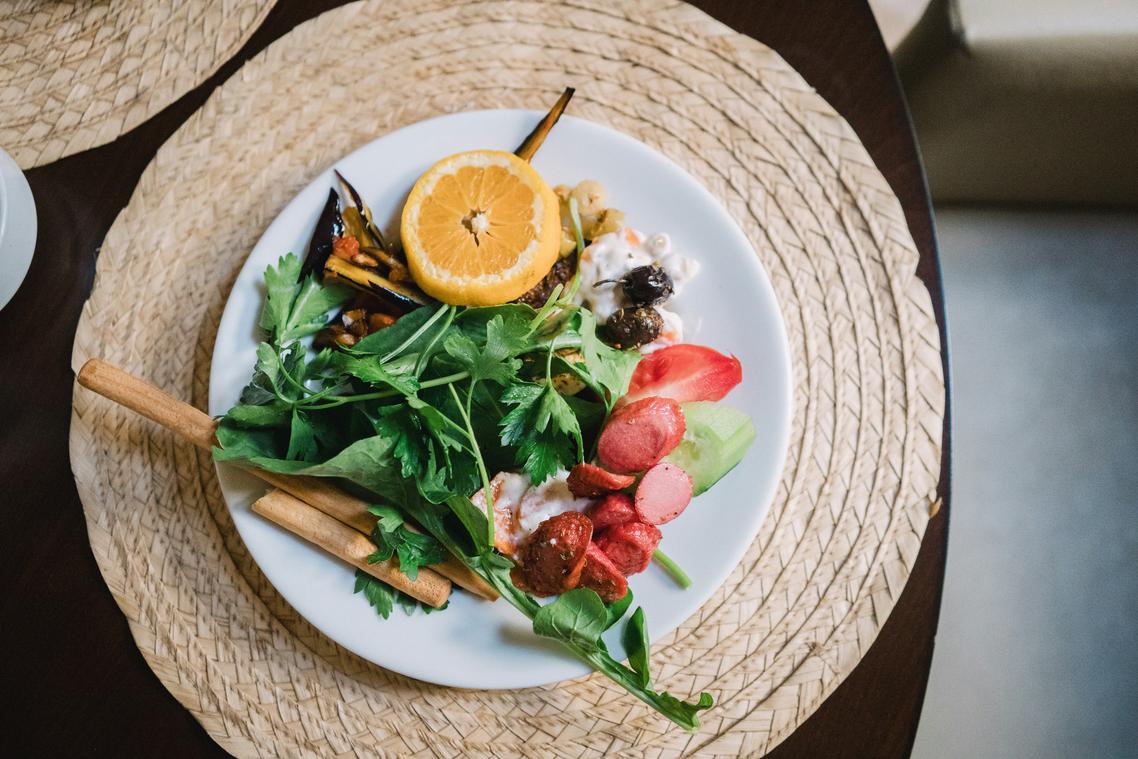
Food is more than fuel—it’s a living history lesson (and sometimes the best souvenir you’ll ever bring home). If you’re craving global food tour experiences that go beyond snapshots and into kitchens, markets, and street corners, these destinations deliver.
Southeast Asia: Vietnam’s Street Food Symphony
First, consider Vietnam. Its cuisine balances sweet, sour, salty, and spicy—what chefs call flavor harmony. A bowl of pho (aromatic noodle soup) or a crusty banh mi sandwich shows how French and Vietnamese influences intertwine. Scooter and walking tours help you navigate bustling night markets efficiently (and safely). Pro tip: go early in the evening when vendors debut fresh batches.
The Mediterranean: Italy’s Regional Pride
Meanwhile, Italy proves that “Italian food” isn’t one thing—it’s hyper-regional. From Tuscan olive oil tastings to Emilia-Romagna pasta workshops, farm-to-table isn’t a trend; it’s tradition. Many tours combine winery visits with market stops for Parmigiano-Reggiano and prosciutto. If you’re nervous about language barriers, start by learning basic phrases to connect in a new language: https://cwbiancavoyage.com.co/learning-basic-phrases-to-connect-in-a-new-language/.
Latin America: Mexico’s Culinary Roots
In Oaxaca or Mexico City, indigenous ingredients like corn, cacao, and chiles shape complex moles (rich sauces blending spices and chocolate). Tours often contrast humble market stalls with modern tasting menus—proof that tradition and innovation can share a table.
The Middle East: Turkey’s Cultural Crossroads
Finally, Turkey’s cuisine reflects centuries of trade. Wander spice bazaars, sample mezes (small shared plates), and learn to brew Turkish coffee—strong, unfiltered, and symbolic of hospitality.
| Destination | Signature Experience | What You’ll Learn |
|---|---|---|
| Vietnam | Street food tour |
Flavor balance |
| Italy | Pasta & wine workshops | Regional sourcing |
| Mexico | Market-to-modern tastings | Indigenous ingredients |
| Turkey | Spice bazaar & coffee ritual | Cultural fusion |
Smart Budgeting for Your Culinary Journey
Before booking, clarify what’s included. Most tours cover all food and drink samples, which can equal a full meal (sometimes two). According to TripAdvisor traveler surveys, 78% of food tour guests felt the experience replaced at least one major dining expense. However, check details. You might still pay for transportation to the meeting point, optional alcohol upgrades, or tips for the guide.
That said, consider the value. Beyond tastings, you gain cultural context and local insight—something standalone restaurants rarely provide. In many global food tour experiences, education and access justify the upfront cost overall.
Your next adventure doesn’t begin at a landmark; it begins with a bite. The meals you remember aren’t just delicious—they’re stories served warm. Skip the buffet line and you risk tasting a watered-down version of a place (the travel equivalent of watching highlights instead of the game).
Some argue you can “find great food yourself.” True. But without context, you miss:
- Family recipes and neighborhood history
- Market-to-table sourcing insights
- Introductions to chefs and artisans
That’s why curated global food tour experiences unlock culture faster than any guidebook. Choose destination, compare tours, and let flavor lead the way.
Ready to Turn Wanderlust Into Reality?
You came here looking for clarity on how to plan unforgettable journeys without overspending or missing out on authentic moments. Now you have the strategies, tools, and insights to confidently map out immersive adventures, smarter budgets, and meaningful cultural connections.
Travel can feel overwhelming—too many destinations, too many expenses, and not enough time. But with the right plan, those pain points turn into exciting possibilities. Whether you’re organizing detailed itineraries, seeking deeper cultural immersion, or craving global food tour experiences, you’re now equipped to travel with purpose and confidence.
The next step is simple: start planning. Choose your destination, outline your budget, and build your experience around what truly excites you. Don’t let indecision or cost concerns hold you back.
If you’re ready to transform scattered travel ideas into a seamless, unforgettable journey, explore our expertly crafted guides and planning resources today. Thousands of passionate travelers trust our insights to simplify adventure planning—now it’s your turn. Start your next voyage now and make every trip extraordinary.
 Ask Mable Verdenanza how they got into adventure planning strategies and you'll probably get a longer answer than you expected. The short version: Mable started doing it, got genuinely hooked, and at some point realized they had accumulated enough hard-won knowledge that it would be a waste not to share it. So they started writing.
What makes Mable worth reading is that they skips the obvious stuff. Nobody needs another surface-level take on Adventure Planning Strategies, Hidden Gems, Travel Packing and Budgeting Tips. What readers actually want is the nuance — the part that only becomes clear after you've made a few mistakes and figured out why. That's the territory Mable operates in. The writing is direct, occasionally blunt, and always built around what's actually true rather than what sounds good in an article. They has little patience for filler, which means they's pieces tend to be denser with real information than the average post on the same subject.
Mable doesn't write to impress anyone. They writes because they has things to say that they genuinely thinks people should hear. That motivation — basic as it sounds — produces something noticeably different from content written for clicks or word count. Readers pick up on it. The comments on Mable's work tend to reflect that.
Ask Mable Verdenanza how they got into adventure planning strategies and you'll probably get a longer answer than you expected. The short version: Mable started doing it, got genuinely hooked, and at some point realized they had accumulated enough hard-won knowledge that it would be a waste not to share it. So they started writing.
What makes Mable worth reading is that they skips the obvious stuff. Nobody needs another surface-level take on Adventure Planning Strategies, Hidden Gems, Travel Packing and Budgeting Tips. What readers actually want is the nuance — the part that only becomes clear after you've made a few mistakes and figured out why. That's the territory Mable operates in. The writing is direct, occasionally blunt, and always built around what's actually true rather than what sounds good in an article. They has little patience for filler, which means they's pieces tend to be denser with real information than the average post on the same subject.
Mable doesn't write to impress anyone. They writes because they has things to say that they genuinely thinks people should hear. That motivation — basic as it sounds — produces something noticeably different from content written for clicks or word count. Readers pick up on it. The comments on Mable's work tend to reflect that.