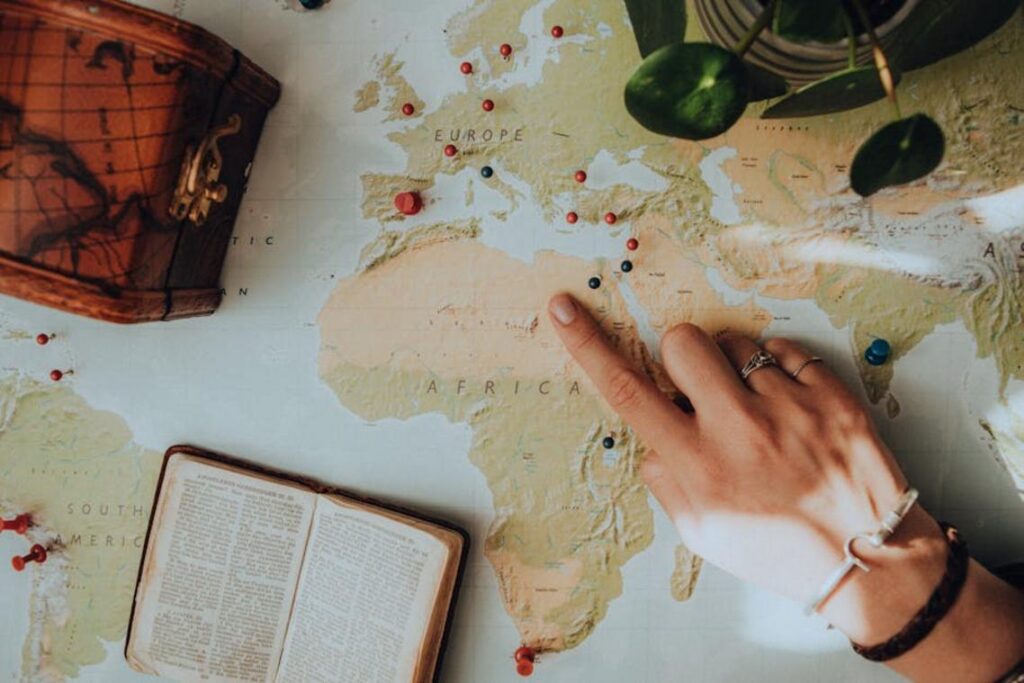


Planning a trip abroad is exciting—but navigating cultural nuances can quickly become overwhelming if you’re unsure what’s appropriate, respectful, or expected. If you’re searching for clear guidance on international travel etiquette, you’re likely looking to avoid awkward mistakes, show respect to local communities, and travel with confidence wherever you go.
This guide breaks down essential etiquette practices across different regions, from dining customs and greetings to dress codes and social norms. Instead of vague advice, you’ll find practical, real-world insights designed to help you blend in thoughtfully and build meaningful cultural connections.
Our recommendations are informed by experienced global travelers, cultural research, and firsthand accounts from locals across multiple continents. By understanding not just the “what” but the “why” behind these customs, you’ll be better prepared to explore responsibly, foster positive interactions, and make every journey smoother and more rewarding.
Your Passport to Respectful Travel
Traveling abroad should feel exciting, not stressful. To start, research basic greetings and practice saying hello and thank you in the local language; this small effort often earns immediate goodwill. Next, observe before acting—notice how locals dress, queue, and tip. For example, in Japan, speaking softly on public transport shows awareness, while in Italy lingering over dinner is normal.
When dining, wait to be seated and follow the host’s lead. Additionally, ask before photographing people or sacred sites. These simple international travel etiquette habits help you blend in respectfully and confidently. Confidence grows with preparation.
The Foundation: Pre-Trip Cultural Homework
Five minutes of research can save you five hours of awkward apologies. Before you obsess over packing cubes, focus on PEOPLE. A quick scan of local customs often matters more than the perfect outfit.
Key Phrases to Learn
Start with five essentials: “hello,” “goodbye,” “please,” “thank you,” and “excuse me.” Write them in your notes app. Practice pronunciation on YouTube. Even a clumsy attempt signals RESPECT (and yes, locals can tell when you’re trying). In Japan, a simple “arigatou” often softens even the iciest service interaction.
Understanding Dress Codes
Search: “What to wear in + destination + religious sites.” For example, temples in Thailand require covered shoulders and knees. In many Mediterranean cities, beachwear belongs at the beach—not downtown cafés. Pack a lightweight scarf; it solves most modesty issues instantly.
Tipping Culture Explained
There are three systems: expected (U.S.), appreciated (France), or offensive (Japan). Check recent travel forums or official tourism sites to confirm. When unsure, discreetly observe locals before paying.
Gift-Giving Nuances
Invited to someone’s home? Bring a SMALL token—sweets, tea, or flowers. Avoid overly expensive gifts; they can embarrass the host.
This is the backbone of good international travel etiquette—and it starts before takeoff.
Navigating Daily Life: Greetings, Gestures, and Public Spaces
The Art of the Greeting
Back in 2019, a viral video showed a diplomat going in for a handshake while the host bowed—an awkward five seconds that felt like five minutes. A handshake (a brief clasp of hands) signals professionalism in the U.S. A bow (a forward tilt of the upper body) conveys respect in Japan. A cheek kiss (a light touch of cheeks, sometimes with an air kiss) is common in parts of Europe and Latin America. When unsure, pause and let the other person initiate (a beat of patience saves a world of cringe).
Body Language That Speaks Volumes
Gestures travel poorly. A thumbs-up may mean approval in North America but can offend in parts of the Middle East. Pointing with an index finger is considered rude in Malaysia; showing the sole of your shoe is disrespectful in many Arab cultures. Even sustained eye contact varies in meaning across regions. Understanding these nuances is central to international travel etiquette.
• Pro tip: When in doubt, mirror the locals’ level of formality.
Public Transportation Etiquette
In cities like London or Tokyo, queuing (forming an orderly line) is practically sacred. Offering seats to the elderly or pregnant isn’t just polite—it’s expected. On trains in Japan, phone calls are discouraged; by contrast, New York subways hum with conversation (and the occasional street performer).
Photography with Respect
Always ask before photographing people, especially children or in religious settings. A quick request builds trust.
Punctuality and Pace
In Germany or Switzerland, being five minutes late can raise eyebrows. Meanwhile, in parts of the Caribbean, “island time” reflects a relaxed rhythm where schedules flex. Timing, like travel itself, is cultural.
The Universal Language: Dining and Social Etiquette

When you travel, table manners can feel like a silent test. So let’s break down a few confusing customs into simple terms.
Table Manners Matter
First, utensil usage varies. In much of Europe, diners keep the fork in the left hand and the knife in the right throughout the meal (switching hands, common in the U.S., can look awkward abroad). Meanwhile, in Japan, slurping noodles is acceptable—even encouraged—as a sign you’re enjoying the dish (yes, really). Eating with your hands is common in parts of India, the Middle East, and Africa, but typically only with the right hand, as the left is considered unclean.
Toasting and Drinking Customs
Next, toasting rules can be surprisingly strict. In Germany and France, making direct eye contact during a toast signals sincerity; skipping it may seem dismissive. In many Asian cultures, it’s polite to refill others’ glasses before your own (a small gesture that builds goodwill).
Paying the Bill
As for the check, signals differ. In Spain, you may need to ask directly. In the U.S., it often arrives automatically. Splitting the bill is normal in some countries, while elsewhere one person hosts.
Accepting and Refusing Food
Finally, declining food? Express gratitude first, then give a brief reason. A warm “It looks wonderful, but I’m full” preserves harmony—an essential part of international travel etiquette. For more on navigating logistics abroad, see transportation systems explained navigating cities worldwide.
Handling Sensitive Situations with Grace
When conversations turn to politics or religion, resist the urge to perform. Instead, listen more than you speak. Ask thoughtful questions and treat the moment as a learning opportunity rather than a debate stage. You don’t have to agree to be respectful. In fact, curiosity travels better than conviction. If tensions rise, gently pivot to shared interests—food, music, or family (safe territory almost everywhere).
In markets where bargaining is customary, start with a smile and a reasonable counteroffer—about 10–20% below the asking price is often fair. Then negotiate slowly and respectfully. However, if prices are fixed or the item is handmade, don’t haggle; appreciation is more appropriate than pressure.
Mistakes happen. Mispronounced words, wrong gestures, missed cues. Offer a simple, sincere apology and correct yourself. Most people value effort over perfection. Isn’t that the heart of international travel etiquette?
Travel can change you, but only if you stop acting like a spectator. I firmly believe the difference between a tourist and a welcome guest comes down to effort. When you practice international travel etiquette, you replace anxiety with confidence. No more late-night panic about whether you offended someone.
The fix is simple: awareness and visible respect. Learn a few phrases. Observe before speaking. Dress with intention.
- Do the pre-trip cultural homework.
- Ask questions humbly.
- Apologize quickly if you misstep.
In my experience, locals notice the effort (and they appreciate it more than perfect pronunciation).
Ready to Explore the World with Confidence?
You set out to better understand how to travel smarter, stretch your budget, and navigate new cultures with confidence. Now you have the tools—from planning strategies and budgeting tips to mastering international travel etiquette—to turn uncertainty into excitement.
Travel can feel overwhelming. Hidden costs, cultural missteps, and poor planning can quickly drain your time, money, and energy. But when you approach each trip with the right knowledge, every destination becomes more rewarding and far less stressful.
The next step is simple: start planning your next adventure with intention. Map out your budget, research cultural norms, and build an itinerary that balances structure with spontaneity. Don’t let confusion or fear hold you back from experiences waiting around the globe.
Thousands of passionate travelers rely on our trusted travel insights and proven planning strategies to explore smarter and travel farther. If you’re ready to stop dreaming and start boarding, dive into our guides, plan your next journey today, and make your next trip your best one yet.
 Director of Global Development