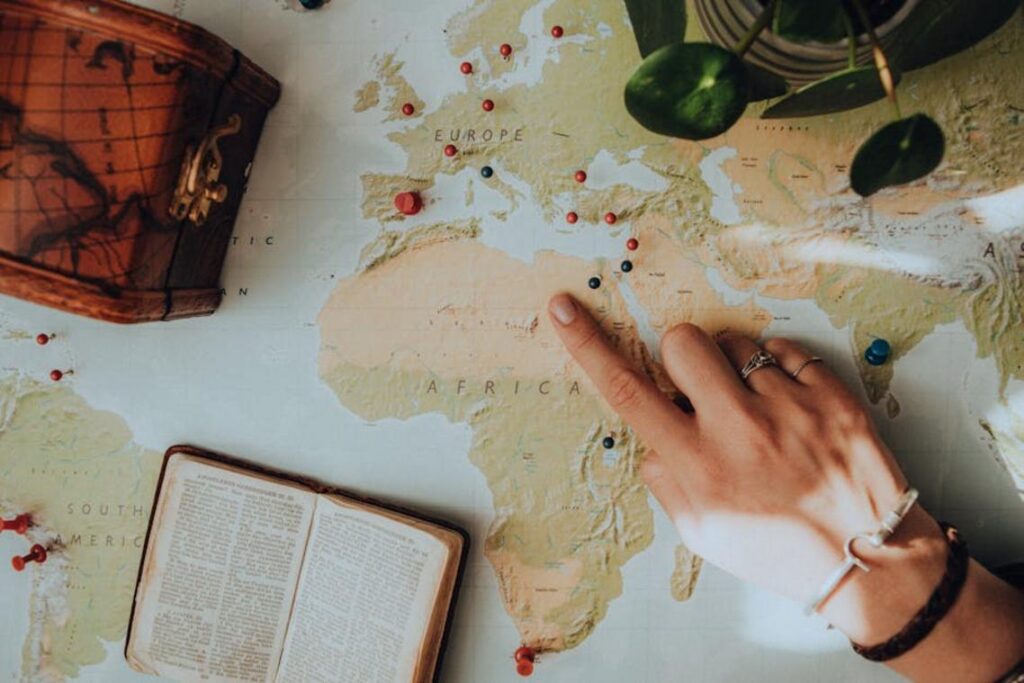


Planning your next adventure should feel exciting—not overwhelming. If you’re searching for practical travel guides, smart budgeting strategies, and meaningful ways to experience new destinations, you’re in the right place. This article is designed to help you turn wanderlust into a well‑planned journey, with clear advice on choosing destinations, organizing logistics, and making the most of every moment abroad.
We’ve drawn from experienced globetrotters, local insights, and up‑to‑date travel research to ensure the guidance you’ll find here is accurate, realistic, and easy to apply. From step‑by‑step adventure planning to immersive cultural experiences and essential cultural etiquette for travelers, you’ll gain tools that help you travel confidently and respectfully.
Whether you’re mapping out a once‑in‑a‑lifetime trip or looking for smarter ways to stretch your travel budget, this guide will give you actionable insights to explore the world with clarity and purpose.
Travel deeper by design, not by accident. Studies from the UNWTO show destinations with strong community-based tourism see higher visitor satisfaction and local income growth. Yet many travelers still skim the surface. This guide offers a practical framework rooted in field experience and research. Before you go, study history and basic phrases. During your trip, practice cultural etiquette for travelers and observe before acting. Afterward, reflect and share responsibly.
- RESPECT over selfies.
- Listen more than you speak.
Research from Harvard’s Program on Negotiation finds active listening builds trust across cultures. Skip this, and you risk becoming a stereotype.
The Foundation of Respect: What to Do Before You Go
I’ve always believed the most important part of any trip happens before you step on the plane. Booking flights and hotels is easy. What actually matters is going deeper—into history, politics, and social values. When you understand why a place is the way it is, you move differently. You ask better questions. You listen more. (And you avoid sounding like a walking stereotype.) Researching cultural etiquette for travelers isn’t optional in my book—it’s the baseline.
Next, learn the language of politeness. At minimum: Hello, Goodbye, Please, Thank you, and Excuse me. These five phrases can transform a transaction into a connection. According to a 2017 study in the Journal of Language and Social Psychology, even minimal effort in a local language increases positive perceptions of respect and trust. That’s not just polite—it’s powerful.
Non-verbal cues matter just as much. A thumbs-up is friendly in the U.S. but offensive in parts of the Middle East (BBC Culture). Eye contact signals confidence in some countries and disrespect in others. Personal space varies wildly. Watch first. Act second. (Channel your inner anthropologist.)
Finally, pack with intention. Research dress codes, especially for religious sites. Covering shoulders or knees isn’t about losing self-expression; it’s about honoring shared space. Respect is never out of style. Pro tip: carry a lightweight scarf—it solves more wardrobe dilemmas than you’d expect.
Some travelers argue that “being yourself” should be enough. I disagree. Being yourself is wonderful. Being respectful is better.
Engaging with Grace: Navigating Daily Interactions Abroad
Travel isn’t just about where you go. It’s about how you show up.
If you want smoother, more meaningful experiences abroad, start with observation. Spend your first day simply watching. Notice how locals greet one another—handshakes, bows, cheek kisses? Observe how long conversations last at shop counters and whether people queue patiently or cluster casually. Mimic the local pace. If the rhythm is slow and conversational, rushing will make you stand out (and not in a charming way). If it’s brisk and efficient, keep things concise.
The Art of Observation
I recommend treating your first 24 hours like a silent documentary.
- Watch body language.
- Listen to tone and volume.
- Note personal space boundaries.
Anthropologist Edward T. Hall’s research on proxemics shows that preferred interpersonal distance varies widely by culture (Hall, The Hidden Dimension, 1966). Standing too close—or too far—can subtly shift an interaction. Adjust accordingly.
Dining Etiquette
Before sitting down to eat, learn three essentials:
- Is tipping expected, included, or considered rude? (In Japan, for example, tipping can be seen as unnecessary.)
- How do you signal you’re finished—placing utensils together, leaving a small bite, or saying a phrase?
- Who pays? In some cultures, the inviter insists. In others, splitting is standard.
When in doubt, follow your host’s lead. If you’re alone, observe nearby tables. Copy respectfully. (It’s the socially acceptable version of mirroring.)
Responsible Photography
Always ask before photographing people—especially children. Many countries have strict privacy norms and legal protections. UNESCO also advises sensitivity when documenting cultural heritage sites (UNESCO World Heritage Sustainable Tourism Programme).
Avoid photographing:
- Government buildings
- Military sites
- Restricted religious interiors
If someone declines, smile and thank them anyway.
Approaching Sacred Spaces
Temples, mosques, churches, and shrines require intentional respect. Research dress codes in advance—covered shoulders, long skirts, headscarves, or removed shoes are common expectations. Speak softly. Follow posted signs. Never cross barriers for a better photo.
Understanding cultural etiquette for travelers isn’t about perfection. It’s about effort.
Pro tip: carry a lightweight scarf—it solves 90% of surprise dress-code issues.
And before navigating local transit to reach these places, review transportation options abroad trains buses and beyond: https://cwbiancavoyage.com.co/transportation-options-abroad-trains-buses-and-beyond/
Grace abroad isn’t complicated. Observe. Adapt. Respect. Repeat.
Travel deeper by rethinking what connection really means. First, consider markets. Many travelers treat bargaining like a competitive sport. However, in places where negotiation is customary, it is closer to conversation than combat. Think of it as improv, not Shark Tank. Smile, ask questions, and keep the tone playful. If the price feels wrong, walk away politely. Refusing to haggle over tiny amounts shows respect for livelihoods, not weakness.
Next, gift giving. Bringing a small token to a host is common in many societies. Yet contrary to popular advice, bigger is not always better. Modest, thoughtful items often carry more meaning. In some regions, gifts are opened later to avoid embarrassment. Receiving graciously may mean setting it aside with thanks. Pro tip: observe what locals do before reacting.
Finally, social hierarchies matter. Age and status can shape greetings, seating, even speaking order. Using titles and offering deference signals awareness of cultural etiquette for travelers. Some argue authenticity means ignoring formality. I disagree. Respecting structure does not erase individuality; it creates trust. And trust, more than selfies, is what turns trips into relationships. That deeper awareness transforms brief encounters into lasting, mutual understanding across borders. And everyone benefits in return immensely.
The mark of a true traveler isn’t the stamps in a passport; it’s the perspective you carry home. I believe the real shift happens when you trade checklists for curiosity. When you practice cultural etiquette for travelers, you stop consuming places and start understanding them.
• Choose depth over speed.
• Ask better questions.
• Listen more than you speak.
Some argue sightseeing is enough. I disagree. Surface snapshots fade; conversations linger.
Focus on one habit next trip—maybe learning local greetings. Notice the doors that open (sometimes literally). Travel changes you only if you let it. Bring that change home.
Your Next Journey Starts Here
You set out looking for practical guidance to travel smarter, stretch your budget further, and experience the world more meaningfully. Now you have the strategies to plan adventures with confidence, immerse yourself in local traditions, and navigate cultural etiquette for travelers with respect and ease.
Travel can feel overwhelming—tight budgets, unfamiliar customs, and endless planning details often stand between you and the journey you’re dreaming about. But with the right preparation and insights, those obstacles turn into exciting challenges you’re fully equipped to handle.
The next step is simple: start planning with purpose. Choose your destination, map out your experiences, set a realistic budget, and lean into authentic cultural immersion. If you want trusted, adventure-ready guidance that thousands of global explorers rely on, explore our expert travel guides and planning resources now.
Your next unforgettable journey is waiting—start planning today and travel with clarity, confidence, and curiosity.
 Director of Global Development