


Navigating a new city can be overwhelming—confusing transit maps, unfamiliar ticket systems, and costly transport mistakes can quickly derail your plans. If you’re searching for a reliable world city transportation guide, you want clear, practical direction that helps you move confidently from the moment you land. This article is designed to do exactly that.
We break down how transportation works in major global cities, from metros and buses to rideshares and regional rail, so you can choose the fastest and most cost-effective options. You’ll learn how to decode transit passes, avoid common tourist pitfalls, and plan routes efficiently.
To ensure accuracy, we’ve analyzed official transit resources, reviewed up-to-date fare structures, and cross-checked insights with seasoned travelers and local transportation guidelines. The result is straightforward, actionable advice you can trust—so you spend less time figuring out how to get around and more time actually experiencing the city.
Unlock Any City: Your Guide to Mastering Global Public Transit
Arriving in a new city can feel like stepping into a maze. However, contrary to popular belief, taxis and rideshares aren’t the “easier” option—they’re usually the most expensive mistake (yes, even after a long flight).
Instead, think patterns, not panic. Every major system shares basics:
- Reloadable transit cards or tap-to-pay
- Color-coded lines and numbered stops
- Real-time tracking apps
In fact, once you’ve used one metro, you’ve used them all. This world city transportation guide helps you spot similarities fast, saving money and time while traveling confidently like a local.
Below the Streets: A Universal Guide to Metros and Subways
Across continents, metro systems follow a surprisingly universal logic. Colored lines, numbered routes, and directional signs—such as “Northbound” or the name of the final stop—create a shared transit language. In fact, the International Association of Public Transport notes that standardized wayfinding reduces passenger confusion and speeds boarding times in major cities. So whether you’re in Paris or Seoul, that blue line and end-of-line station name usually tell you everything you need to know (even if the announcements don’t).
Consider Tokyo Metro. Regularly ranked among the world’s most punctual systems—average delays are measured in seconds, not minutes, according to Japan’s Ministry of Land, Infrastructure, Transport and Tourism—it moves nearly 7 million daily riders efficiently. However, first-timers often underestimate the complexity of transfers. Understanding interconnected lines and using a rechargeable Suica or Pasmo card significantly reduces friction at ticket gates. In other words, preparation equals speed.
Meanwhile, New York City’s subway carries over 3 million weekday riders (MTA data) and operates 24/7, a rarity globally. The grid system clarifies direction: “uptown” generally means north, “downtown” south. Yet the critical distinction is local versus express trains—express services skip stations, cutting commute times dramatically. Miss that detail, and you might overshoot your stop (it happens to the best of us).
To navigate like a pro:
- Avoid peak hours (typically 7–9 a.m. and 5–7 p.m.).
- Study station maps before descending underground.
- Observe platform etiquette—queue in Tokyo, stand right on London escalators.
Ultimately, mastering any metro starts with recognizing these shared patterns—a principle central to every reliable world city transportation guide.
Surface-Level Strategy: Navigating Buses, Trams, and Light Rail
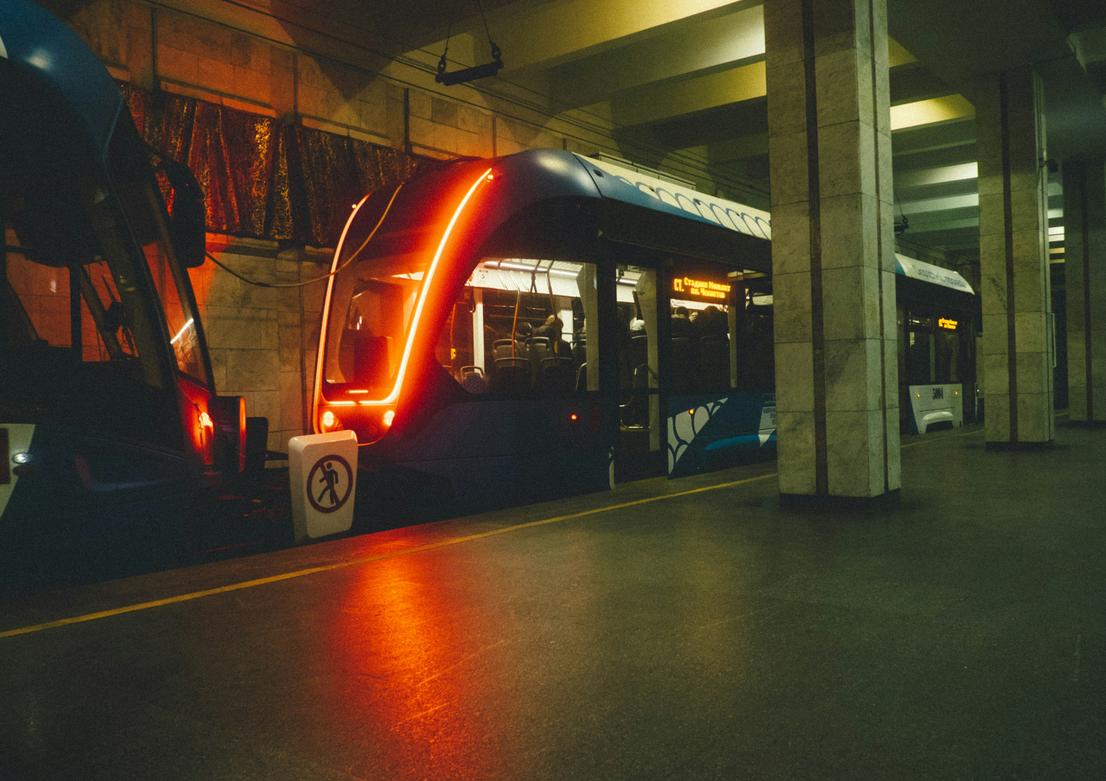
Above-ground transit sounds simple—just hop on and go. In reality, it can feel like solving a moving puzzle. Unlike subways (underground rail systems with fixed stations), buses and trams operate in open traffic, which means routes can be less intuitive, stops may be unmarked, and payment systems vary. Some cities require pre-purchased tickets; others allow tap-on boarding. Clarifying these differences before you travel saves time—and embarrassment.
First, consider London’s double-decker buses. They use a tap-on-only contactless system, meaning you pay by tapping an Oyster card or contactless credit card when boarding. There’s no cash accepted and no tap-off required. Simple, once you know. However, figuring out which stop to stand at can be tricky. Apps like Citymapper break down route numbers and directions clearly (think of it as your digital co-pilot).
Meanwhile, Lisbon’s iconic yellow trams double as both sightseeing attractions and daily transport. Here’s the catch: you must validate (stamp electronically) your ticket upon boarding. Skipping this step—even with a valid ticket—can result in hefty fines. It’s less “romantic European adventure,” more “unexpected budget hit.”
So, how do you ride confidently? Follow this checklist:
- Check the route number.
- Confirm the direction.
- Know how to pay before boarding.
- Learn how to request a stop (often a button or pull cord).
Ultimately, surface transit rewards preparation. A quick review of a world city transportation guide can transform confusion into confidence (and keep your trip running smoothly).
Pay Less, Ride More: Choosing the Right Tickets and Passes
Single Trip vs. Day Pass
Think of this as a quick math test (the useful kind). If a single ride costs $3 and a day pass is $9, you break even at three rides. Planning four or more? The day pass wins. Staying longer? Multi-day tourist passes often bundle unlimited rides with attraction discounts. Critics argue passes push you to “ride just because you can.” Fair—but if your itinerary already includes multiple neighborhoods, museums, or dinner reservations across town, the savings are real.
The Power of Contactless
Tap-to-pay with your credit card or phone is now standard in cities like London and Sydney. No ticket machines, no guesswork—just tap in, tap out. Some travelers prefer physical tickets for budgeting control. Fair point. But contactless systems often apply daily or weekly caps automatically (Transport for London confirms fare capping), ensuring you never overpay.
Stored Value Cards
Rechargeable cards like Japan’s Suica or Hong Kong’s Octopus work across trains, buses, and even convenience stores. It’s transit plus micro-wallet (surprisingly handy at 7-Eleven). They’re ideal if you want flexibility without linking your bank card.
- Pro tip: Staying over three days? Check weekly passes or zone pricing.
- Compare options in a reliable world city transportation guide before arrival.
For broader planning context, explore global travel trends shaping international tourism today.
Your Digital Co-Pilot: Must-Have Transit Apps and Tools
Have you ever stepped off a plane and thought, Now how do I actually get into the city? That’s where the right apps become your quiet hero.
The Global Go-To: Google Maps dominates for a reason—broad coverage, real-time schedules, and disruption alerts across continents (yes, even that tiny bus line in Lisbon). Some argue it’s “too generic,” but its scale is unmatched.
The Urban Specialist: Citymapper shines in major metros, blending bus, rail, bike, and walking into crisp, step-by-step routes.
The Local Advantage: Still, nothing beats official city transit apps for precise alerts—your secret weapon in any world city transportation guide.
From Tourist to Local: Your Next Transit Journey
I still remember staring at a Tokyo ticket machine, coins in hand, convinced I’d board the wrong train. Five minutes later, a kind commuter pointed me toward the right platform—and I realized transit isn’t chaos; it’s a code.
With the right world city transportation guide and a few principles, you can:
- Read route maps before you swipe.
- Choose passes that match your stay.
- Use apps for real-time updates.
Some argue rideshares are easier. Sure, door-to-door comfort helps (especially in the rain). But buses and metros offer cultural immersion money can’t buy.
Start mapping routes and ride local.
Make Every Journey Through the City Effortless
You came here looking for clarity—trying to make sense of unfamiliar transit systems, confusing routes, and the stress that comes with navigating a new destination. Now you have the tools, insights, and confidence to move through any major city with ease using this world city transportation guide.
Getting around shouldn’t feel overwhelming or risky. Missed connections, overpriced taxis, and wasted hours can quickly drain both your budget and your excitement. With the right strategy, you can avoid those frustrations and travel smarter from the moment you land.
Now it’s time to put this knowledge into action. Map out your routes before arrival, download the right transit apps, set a daily transportation budget, and explore beyond the tourist zones with confidence.
If you’re ready to turn stressful travel days into seamless adventures, explore our expertly curated city guides and planning resources today. Thousands of travelers rely on our proven strategies to simplify urban travel—start planning your next journey now and move through the world with confidence.
 Chief Operations Strategist