

Planning your next adventure should feel exciting—not overwhelming. If you’re searching for practical insights, smart budgeting strategies, and meaningful cultural experiences, you’re in the right place. This article is designed to serve as your global travel guide, helping you navigate destinations with confidence, clarity, and purpose.
Travelers today want more than just sightseeing recommendations. They want immersive experiences, efficient planning strategies, and realistic cost expectations. Here, you’ll find carefully researched travel insights, curated destination highlights, and actionable tips that make exploring the world both inspiring and achievable.
Our guidance draws from seasoned traveler experiences, on-the-ground research, and up-to-date destination analysis to ensure you receive trustworthy, relevant advice. Whether you’re mapping out a long-term adventure or planning a short cultural escape, this guide will help you travel smarter, stretch your budget further, and create unforgettable journeys with confidence.
Your Blueprint for a Life-Changing Global Journey
Dreaming of circumnavigating the globe can feel intoxicating—until you open your banking app. I learned that the hard way. At first, I booked flights before building a savings buffer, assuming deals would keep appearing. They didn’t. Consequently, I scrambled, canceled plans, and paid fees (painful ones).
So here’s the structured approach I wish I’d followed. First, set a savings target based on realistic daily costs, citing Numbeo’s city data for benchmarks. Next, test-drive shorter trips to expose weak planning spots. Finally, treat this global travel guide as a flexible framework, not a rigid script. Plans change. Budgets wobble. Adapt anyway.
Phase 1: Building Your Financial Foundation and Master Plan
Defining Your Travel Style
Before you price a single flight, define your travel style. Are you a backpacker chasing hostels and street food? A mid-range explorer who wants boutique hotels and guided tours? Or a luxury traveler who values five-star comfort? This choice changes everything. A backpacker might thrive on $40/day in Southeast Asia, while a luxury traveler could spend that on breakfast.
Contrary to popular advice, you don’t have to “rough it” to travel long-term. Some argue discomfort builds character. Maybe. But burnout ends trips faster than overspending. Sustainability matters more than bragging rights.
The Realistic World Travel Budget
Break your costs into core categories:
- Flights
- Accommodation
- Food
- Activities
- Visas
- Insurance
Sample daily ranges: Southeast Asia: $40/day. Western Europe: $90/day. Australia or Japan? Expect $100–$150/day depending on pace. (Yes, that café culture adds up.)
Actionable Savings Strategies
Focus on The Big Three: housing, transport, food. Downsize your apartment, use public transit, and cook more often. Pro tip: automate a weekly transfer into a dedicated travel account so you’re not relying on leftover cash. Side income—freelancing, tutoring, selling unused items—can accelerate your fund dramatically.
Choosing the Right Financial Tools
Travel credit cards offer points and insurance but can tempt overspending. Fee-free debit cards reduce ATM charges abroad. Managing multiple currencies? Keep most funds in a stable home account and withdraw locally to avoid poor exchange kiosks (airport rates are notoriously inflated, per Consumer Reports). A solid global travel guide helps, but your financial foundation determines how far you actually go.
Phase 2: Crafting Your Itinerary and Choosing Destinations
Route Planning 101: The Art of the Logical Path
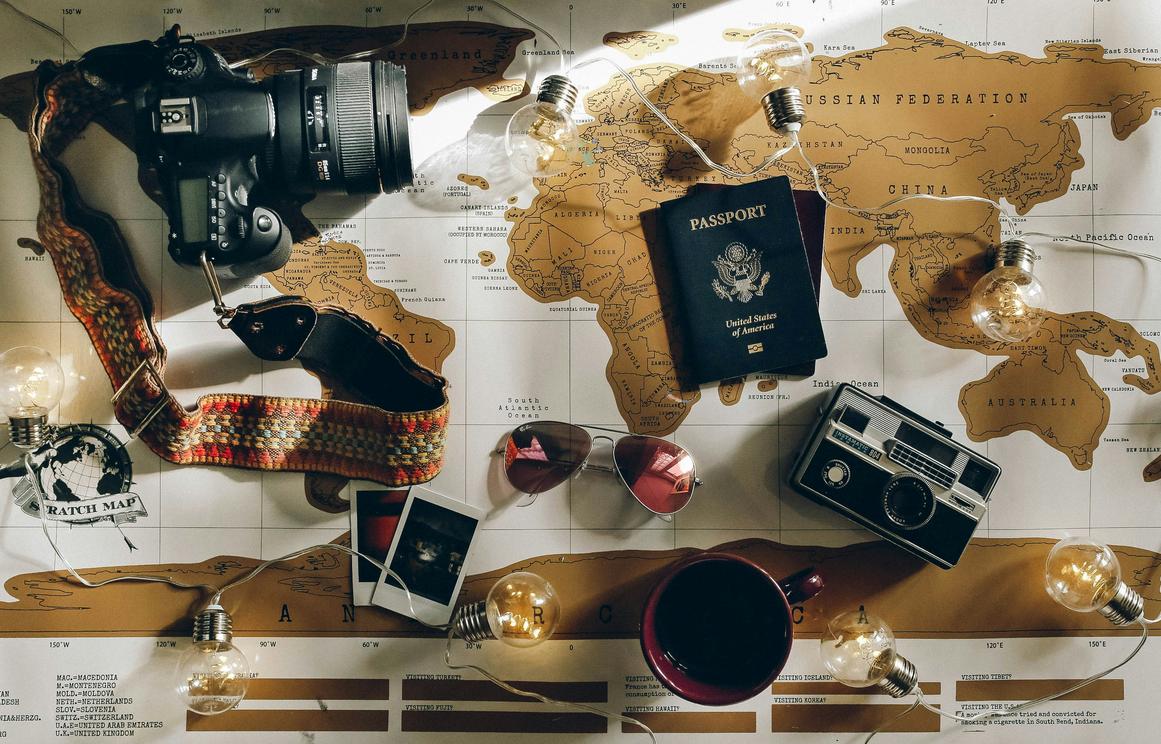
Nothing drains a travel budget faster than zigzagging across continents because you “just found a cheap flight.” Backtracking is the silent killer of time and money. A logical route means moving in one general direction—east to west or vice versa—grouping nearby countries together. Classic routes like the Banana Pancake Trail (Thailand, Laos, Vietnam, Cambodia) became popular for a reason: minimal transit, maximum experience.
Some travelers argue spontaneity should rule everything. Fair—but even free spirits benefit from a loose structure. Smart routing reduces costly long-haul jumps and airport fatigue. Pro tip: use multi-city search tools and compare them against round-the-world tickets (Oneworld Explorer fares can sometimes lower per-leg costs, depending on distance bands).
Balancing Must-Sees with Hidden Gems
Yes, see the Eiffel Tower. But also wander into the bakery two streets away. The frustration? Overplanning every hour until your trip feels like a checklist marathon. Blend iconic landmarks with open days for local markets, neighborhood walks, or that random cooking class you discover mid-trip. A solid global travel guide helps, but curiosity fills the gaps.
Pacing Your Adventure
Travel isn’t a vacation. It’s movement, logistics, language puzzles. Burnout is real. Try the “3 days on, 1 day off” rhythm: explore intensely, then pause. Laundry, journaling, a slow café morning (channel your inner Eat Pray Love).
Booking Flights and Transport
Set fare alerts early. Book long-haul flights 2–6 months out (Hopper data suggests this window often yields lower fares). Once abroad, use trains and buses—they’re cheaper and more immersive. The journey shouldn’t feel like a constant race. It should feel intentional.
Phase 3: The Essential Pre-Departure Logistics
You’ve booked the flight. But have you checked your passport expiration date? Many countries require six months of validity beyond your return date (U.S. Department of State). Start visa research early—some approvals take weeks.
Pre-departure checklist:
- Confirm passport validity
- Research visa requirements
- Submit applications early
- Save digital and printed copies of documents
Not sure where to begin? Reviewing regional travel insights what to know before visiting each continent can clarify entry rules fast.
The Non-Negotiable: Travel Insurance
Think you won’t need it? What if a hospital visit abroad costs $10,000+ (CDC travel data)? Comprehensive travel insurance covers medical emergencies, trip cancellations, and theft. Pro tip: Check coverage limits and emergency evacuation clauses.
The Art of Packing Light
Do you really need five pairs of shoes? Choose a carry-on backpack (40L is a sweet spot). Use the layering method—light base layers, insulating mid-layers, waterproof shell. Pack multi-use items: scarf (blanket), sneakers (day-to-night), solid toiletries. Leave “just in case” items behind (they rarely justify the weight).
Health and Vaccinations
Have you checked destination-specific vaccine guidance? Visit a travel clinic 6–8 weeks early (WHO recommendation). A quick appointment now prevents big problems later.
Preparation may not be glamorous—but it’s what turns a good trip into a great one.
Phase 4: Thriving on the Road: Safety, Culture, and Connection
Safety isn’t paranoia; it’s pattern recognition. Secure valuables with anti-theft daypacks, use digital copies of documents, and learn common scams (like distraction spills or fake officials, noted by the U.S. State Department).
Cultural immersion goes beyond selfies. Learn five local phrases, observe dress norms, and ask questions with humility. A global travel guide gives logistics; lived experience gives meaning.
Loneliness happens. Build micro-communities:
• Join walking tours
• Use coworking passes
• Schedule weekly calls home
Pro tip: share itineraries with a trusted contact. Trust your instincts, always. Stay adaptable.
From dream to departure, this is where plans become action. If organizing a round‑the‑world trip has felt overwhelming, that’s normal. Complexity simply means many moving parts—finances, logistics, documents, gear—not impossibility.
We broke the process into four clear phases so you can:
- Define your budget and timeline.
- Map routes using a reliable global travel guide.
- Secure documents and insurance.
- Pack with purpose, not panic.
Some argue spontaneity beats structure. True, flexibility matters. But structure builds momentum (and prevents 2 a.m. stress spirals).
Your journey starts today. Choose one Phase 1 task and complete it this week now.
Ready to Turn Your Travel Dreams Into Real Plans?
You came here looking for clarity, inspiration, and direction for your next adventure — and now you have it. From smart budgeting tips to immersive cultural experiences, you’re equipped with the insights you need to plan with confidence instead of guesswork.
Travel can feel overwhelming. Too many destinations. Too many logistics. Too many unknown costs. But with the right global travel guide and practical planning strategies, those pain points become possibilities.
Now it’s your move.
Start mapping out your next journey today. Dive deeper into curated destination insights, refine your adventure plan, and use proven budgeting strategies to make your trip achievable — not just aspirational. Join thousands of passionate travelers who rely on our trusted travel resources to simplify planning and maximize every experience.
Your next unforgettable journey is waiting. Start planning it now.
 Syrelia Xelthorne is the kind of writer who genuinely cannot publish something without checking it twice. Maybe three times. They came to bianca voyage cultural immersions through years of hands-on work rather than theory, which means the things they writes about — Bianca Voyage Cultural Immersions, Global Travel Guides and Insights, Wanderlust Highlights, among other areas — are things they has actually tested, questioned, and revised opinions on more than once.
That shows in the work. Syrelia's pieces tend to go a level deeper than most. Not in a way that becomes unreadable, but in a way that makes you realize you'd been missing something important. They has a habit of finding the detail that everybody else glosses over and making it the center of the story — which sounds simple, but takes a rare combination of curiosity and patience to pull off consistently. The writing never feels rushed. It feels like someone who sat with the subject long enough to actually understand it.
Outside of specific topics, what Syrelia cares about most is whether the reader walks away with something useful. Not impressed. Not entertained. Useful. That's a harder bar to clear than it sounds, and they clears it more often than not — which is why readers tend to remember Syrelia's articles long after they've forgotten the headline.
Syrelia Xelthorne is the kind of writer who genuinely cannot publish something without checking it twice. Maybe three times. They came to bianca voyage cultural immersions through years of hands-on work rather than theory, which means the things they writes about — Bianca Voyage Cultural Immersions, Global Travel Guides and Insights, Wanderlust Highlights, among other areas — are things they has actually tested, questioned, and revised opinions on more than once.
That shows in the work. Syrelia's pieces tend to go a level deeper than most. Not in a way that becomes unreadable, but in a way that makes you realize you'd been missing something important. They has a habit of finding the detail that everybody else glosses over and making it the center of the story — which sounds simple, but takes a rare combination of curiosity and patience to pull off consistently. The writing never feels rushed. It feels like someone who sat with the subject long enough to actually understand it.
Outside of specific topics, what Syrelia cares about most is whether the reader walks away with something useful. Not impressed. Not entertained. Useful. That's a harder bar to clear than it sounds, and they clears it more often than not — which is why readers tend to remember Syrelia's articles long after they've forgotten the headline.