

Planning your next trip should feel exciting—not overwhelming. If you’re searching for practical travel guidance that helps you explore smarter, stretch your budget, and experience destinations more deeply, you’re in the right place. This article is designed to give you clear, actionable insights into crafting meaningful journeys, from choosing the right destinations to building adaptable plans that leave room for discovery.
We’ve analyzed proven travel planning frameworks, insights from seasoned globetrotters, and real-world budgeting strategies to ensure the advice here is reliable, experience-driven, and easy to apply. Whether you’re mapping out a once-in-a-lifetime adventure or a quick cultural getaway, you’ll find strategies that help you travel confidently and intentionally.
Inside, you’ll discover destination highlights, immersive cultural approaches, smart budgeting methods, and flexible adventure itinerary tips that let you embrace spontaneity without losing structure. If your goal is to travel deeper, not just farther, this guide will help you make every journey count.
I once mapped a trip to Lisbon down to the hour—9:00 a.m. pastries, 10:00 a.m. tram, 11:00 a.m. museum (yes, I was that traveler). By day two, I was exhausted and ignoring a street festival that wasn’t on “the plan.” That’s when I realized over-planning steals serendipity, while no plan at all invites chaos. So instead, anchor each day with one must-do and one optional activity, leaving open space in between. This simple framework—think structure without rigidity—lets weather, mood, and surprise guide you. In other words, flexible adventure itinerary tips make room for magic without losing momentum.
The “Anchor & Flex” Method: Your Blueprint for Versatility
Travel plans often fall into two camps: overplanned spreadsheets or totally winging it. The Anchor & Flex method blends both. An anchor is a pre‑decided, non‑negotiable activity—usually booked in advance or time-sensitive. Flex time is the open space around it, intentionally unscheduled yet purposeful. Together, they create structure without suffocation (because no one wants their vacation to feel like a staff meeting).
Planning Your Anchors
First, choose one or two anchors per day. Think pre-booked museum entries, limited-capacity tours, seasonal hikes, or reservations at sought-after restaurants. For example, Rome’s Colosseum requires timed entry tickets, often selling out days ahead (Parco Archeologico del Colosseo). By anchoring high-demand experiences, you guarantee access to what matters most.
Some argue strict bookings kill spontaneity. However, without anchors, you risk long lines, sold-out attractions, and decision fatigue. Anchors protect your priorities—while still leaving room to breathe.
Maximizing Flex Time
Meanwhile, flex time isn’t “empty.” It’s strategic openness. Use it to explore a local market you stumble upon, follow a barista’s lunch recommendation, or linger over espresso in a tucked-away piazza. In fact, studies on leisure satisfaction show autonomy increases enjoyment (Journal of Consumer Research). Flex time builds that autonomy into your schedule.
Consider this Rome sample day: Anchor 1: 10 AM Colosseum tour. Flex: Wander Trastevere’s cobblestone lanes, pop into Santa Maria in Trastevere, or discover a family-run trattoria. Anchor 2: 7 PM dinner reservation.
Ultimately, this approach delivers flexible adventure itinerary tips in action—balancing certainty with curiosity. Structured, yet free. Planned, yet alive.
Strategic Pre-Trip Research for Maximum Spontaneity
Spontaneity doesn’t mean “no plan.” It means SMART PREPARATION that creates room to pivot. Think of it as building a launchpad, not a leash.
Create a “Possibilities List”
A Possibilities List is a flexible menu of 5–10 activities, restaurants, and sights per destination. Instead of scheduling exact times, group ideas into categories like Rainy Day Options, Quick Bites, and Free Activities. This reduces decision fatigue (the mental exhaustion from too many choices) and makes last-minute swaps effortless. For example, if it suddenly pours in Rome, you can pivot from a walking tour to a tucked-away museum—no meltdown required.
Some travelers argue that any research kills the magic. But in reality, knowing your options enhances freedom. You’re not scrambling for Wi-Fi while hungry (we’ve all been there).
Master Local Transit
Understanding buses, subways, and ride-shares beforehand removes friction. When you know fare systems and routes, you can change neighborhoods on a whim. PRO TIP: Download offline transit maps before arrival.
Geographic Clustering
Pin your ideas on a digital map. Seeing what’s nearby encourages efficient, on-the-fly decisions—core to flexible adventure itinerary tips.
And before locking in high-risk excursions, review safety planning for outdoor and extreme activities: https://cwbiancavoyage.com.co/safety-planning-for-outdoor-and-extreme-activities/.
Preparation fuels POSSIBILITY.
Pack Like a Pro: Your Gear Guide for Adaptability
The Layering System vs. Bulky Packing
Choosing a smart layering system means base, mid, and outer shell pieces that work together. A breathable base layer wicks moisture; a mid-layer insulates; a waterproof shell blocks wind and rain. Compare that to one heavy jacket: great at dawn, miserable by noon. Layers adapt as temperatures swing, especially when following flexible adventure itinerary tips.
Multi-Purpose Footwear vs. Overpacking
Two versatile pairs beat four single-use shoes. Think sleek sneakers that handle cobblestones and light trails, plus loafers or sandals suitable for dinner. Hiking boots plus dress shoes plus gym trainers? That luggage weight adds up fast. Versatility saves space and your shoulders.
The Day Pack: Prepared vs. Panicked
A compact day pack keeps you ready. Include a power bank, reusable water bottle, waterproof pouch, and small first-aid kit. Forget them, and you’re hunting outlets and pharmacies. Pack smart, adjust often, and travel lighter, not louder.
Pro tip: choose neutral colors so every piece mixes effortlessly, creating more outfits from fewer items. In side-by-side comparisons, adaptable travelers consistently report less stress and smoother transitions between city streets and scenic overlooks. Stay curious, stay adaptable. Always.
The Adventurer’s Mindset: Embracing On-the-Ground Choices
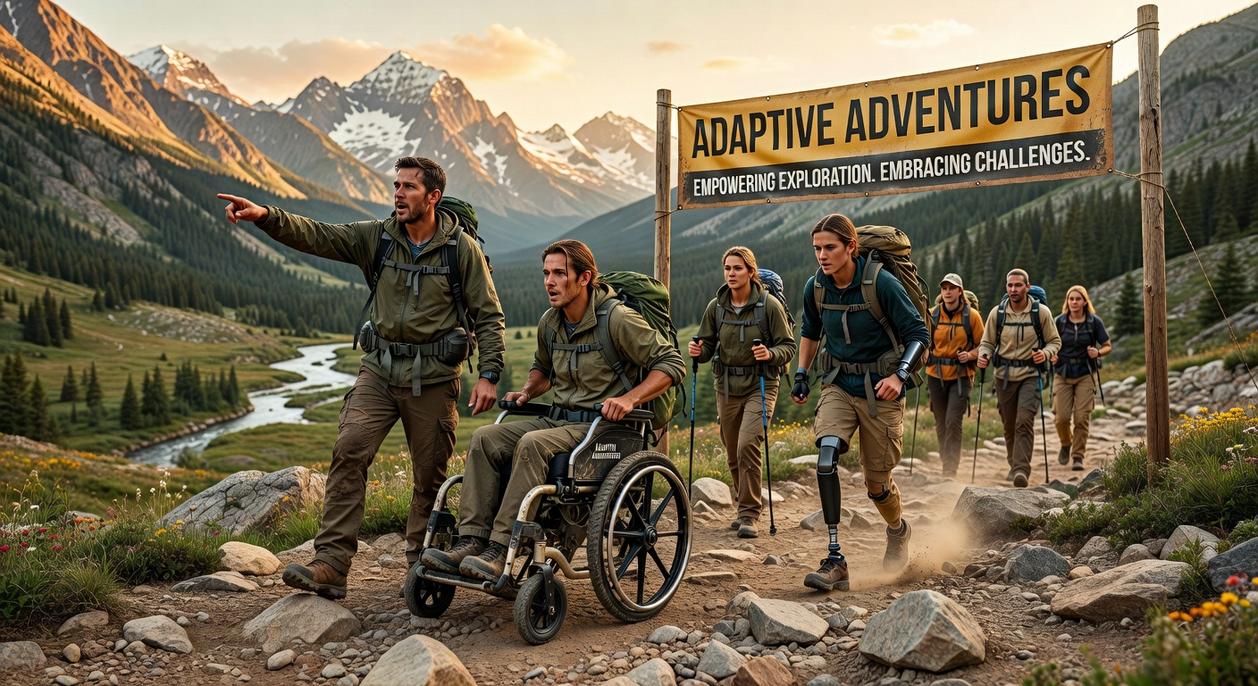
Travel plans are like penciled sketches, not permanent ink. Permission to Pivot means treating your itinerary as a compass, not a cage. If a local festival pops up or a stranger invites you to a sunset sail, it’s okay to ditch the museum tour. The best memories often bloom from detours (the stories you retell rarely start with “So we stuck to the schedule…”).
Listen to Locals
- Ask baristas where they actually eat.
- Chat with shopkeepers about hidden beaches.
Think of locals as living guidebooks—constantly updated, no Wi-Fi required. Studies show travelers value local recommendations for authenticity (Booking.com, 2023).
The ‘One Thing’ Rule
When the day feels overwhelming, choose one anchor activity. Like placing a tent peg, it stabilizes everything else. Accomplish that, and let the rest unfold naturally.
Use flexible adventure itinerary tips as your safety net, not your script. (Even Indiana Jones adjusted his map now and then.)
Your Adventure, Your Rules: Building a Journey That Breathes
Planning a trip doesn’t mean scripting every minute. In simple terms, the “Anchor & Flex” method means choosing a few non‑negotiable anchors—must‑see sights, booked tours, reservations—while keeping blocks for spontaneous finds. Think of anchors as tent poles and flexibility as the breathable fabric. Without poles, tent collapses; without fabric, you’re exposed.
However, some travelers argue strict schedules maximize productivity, while others insist plans ruin magic. In reality, balance reduces stress and decision fatigue. For example, book museum pass, then wander nearby. Use flexible adventure itinerary tips to build Possibilities List.
Ready to Turn Your Travel Dreams Into a Real Plan
You came here looking for clarity — how to plan unforgettable adventures without overspending, overpacking, or overwhelming yourself. Now you have the tools to choose meaningful destinations, budget wisely, immerse yourself in local culture, and use flexible adventure itinerary tips to travel with confidence instead of stress.
The truth is, most travelers struggle with uncertainty — not knowing where to start, how much to budget, or how to balance structure with spontaneity. That confusion leads to missed experiences and wasted money. With the right strategy, though, every trip becomes smoother, richer, and far more rewarding.
Now it’s time to act. Start mapping out your next destination, apply these planning strategies, and build an itinerary that leaves room for discovery. Thousands of global travelers trust our proven travel guides and budgeting insights to simplify planning and maximize experience.
Don’t let another year pass with trips stuck on a vision board. Start planning today and turn your wanderlust into a well-executed adventure you’ll never forget.
 Syrelia Xelthorne is the kind of writer who genuinely cannot publish something without checking it twice. Maybe three times. They came to bianca voyage cultural immersions through years of hands-on work rather than theory, which means the things they writes about — Bianca Voyage Cultural Immersions, Global Travel Guides and Insights, Wanderlust Highlights, among other areas — are things they has actually tested, questioned, and revised opinions on more than once.
That shows in the work. Syrelia's pieces tend to go a level deeper than most. Not in a way that becomes unreadable, but in a way that makes you realize you'd been missing something important. They has a habit of finding the detail that everybody else glosses over and making it the center of the story — which sounds simple, but takes a rare combination of curiosity and patience to pull off consistently. The writing never feels rushed. It feels like someone who sat with the subject long enough to actually understand it.
Outside of specific topics, what Syrelia cares about most is whether the reader walks away with something useful. Not impressed. Not entertained. Useful. That's a harder bar to clear than it sounds, and they clears it more often than not — which is why readers tend to remember Syrelia's articles long after they've forgotten the headline.
Syrelia Xelthorne is the kind of writer who genuinely cannot publish something without checking it twice. Maybe three times. They came to bianca voyage cultural immersions through years of hands-on work rather than theory, which means the things they writes about — Bianca Voyage Cultural Immersions, Global Travel Guides and Insights, Wanderlust Highlights, among other areas — are things they has actually tested, questioned, and revised opinions on more than once.
That shows in the work. Syrelia's pieces tend to go a level deeper than most. Not in a way that becomes unreadable, but in a way that makes you realize you'd been missing something important. They has a habit of finding the detail that everybody else glosses over and making it the center of the story — which sounds simple, but takes a rare combination of curiosity and patience to pull off consistently. The writing never feels rushed. It feels like someone who sat with the subject long enough to actually understand it.
Outside of specific topics, what Syrelia cares about most is whether the reader walks away with something useful. Not impressed. Not entertained. Useful. That's a harder bar to clear than it sounds, and they clears it more often than not — which is why readers tend to remember Syrelia's articles long after they've forgotten the headline.