


If you’re searching for a deeper way to experience the world, this traditional festivals worldwide guide is designed to help you go beyond sightseeing and step into living culture. Travelers often miss the stories, rituals, and local meanings behind major celebrations—arriving at the right place but without the context that makes the moment unforgettable. This article brings together carefully researched festival highlights, practical planning advice, cultural insights, and budgeting tips so you can experience these events respectfully and confidently.
We’ve analyzed regional calendars, tourism data, and firsthand travel reports to ensure the information is accurate, current, and genuinely useful for planning. Whether you’re hoping to witness vibrant street parades, sacred ceremonies, seasonal harvest festivals, or centuries-old traditions, you’ll find guidance on when to go, what to expect, and how to prepare.
By the end, you’ll know exactly which festivals align with your travel goals—and how to turn them into meaningful, well-planned adventures.
Feel the Pulse
Drums thunder, incense curls, lanterns glow against midnight skies—THIS is a festival at full volume. Yet many travelers hover at the edges, unsure when to join a dance or how to greet elders. A festival isn’t just a party; it’s a ritual, meaning a repeated cultural celebration rooted in history. Think Rio’s Carnival or India’s Holi (yes, the color-throwing one).
This practical traditional festivals worldwide guide breaks it down:
- Learn local etiquette before you arrive.
Plan ahead, ask respectful questions, and participate with intention. Observe first, then step in confidently. Celebrate WITH respect, not entitlement. Always listen.
The Art of Festival Travel: Planning for the Unforgettable
Book Early
First things first: book early. For major festivals, flights and accommodations should be secured 6–12 months in advance. As demand spikes, prices often follow suit (airlines love a good celebration too). According to data from Expedia’s annual travel reports, booking several months ahead can significantly reduce airfare costs. Some travelers argue last-minute deals exist—and occasionally they do—but during global events like Carnival or Oktoberfest, procrastination is basically a donation to surge pricing.
Packing for Participation
Next, pack with purpose. Festival-specific essentials—items tailored to an event’s unique activities—are non-negotiable. Think old clothes for Holi (color powder stains like it’s trying to set a world record), waterproof bags for Songkran, and modest attire for religious celebrations. Pro tip: always bring a lightweight daypack for snacks and water.
Navigating the Crowds
Meanwhile, transportation can feel like a competitive sport. Public transit passes, ride-sharing apps, and walkable accommodations save time and sanity. Some insist renting a car offers freedom—but gridlocked festival streets suggest otherwise.
Budgeting for the Celebration
Finally, budget beyond tickets. Factor in themed costumes, special foods, and local transit. A traditional festivals worldwide guide can help anticipate hidden costs (because souvenir drums are never “just one”). Planning ahead keeps your celebration unforgettable—for the right reasons.
Embracing the Light: Where Tradition Glows Brightest
Have you ever wondered why so many cultures celebrate light when the nights grow darker? Across continents, festivals of light remind us that hope always flickers—even in uncertain times.
Diwali in India: The Festival of Lights
Diwali marks the victory of light over darkness and good over evil, rooted in the ancient epic Ramayana, where Lord Rama returns home after exile. Families illuminate homes with diyas (small oil lamps made of clay), symbolizing the inner light that protects from spiritual darkness (and yes, the glow is as magical as it sounds).
How can you join respectfully?
- Light a diya at sunset and place it near a window.
- Accept and share mithai (traditional sweets) with gratitude.
- Watch community fireworks displays from a safe distance.
Some critics argue fireworks contribute to pollution—and they’re right to be concerned. In response, many cities now promote eco-friendly celebrations and laser shows (a modern twist that still dazzles).
Loi Krathong & Yi Peng in Thailand
Meanwhile, Thailand’s lantern festivals transform rivers and skies into shimmering dreamscapes. During Loi Krathong, people float krathongs (decorative offerings) on water to release negativity. Yi Peng sends glowing lanterns skyward—each carrying a whispered wish.
Before participating, ask yourself: how can you celebrate without harming the environment? Choose biodegradable krathongs and eco-friendly lanterns, make a quiet wish, and seek designated viewing areas for safety.
For deeper immersion, consider staying with locals homestays and community based tourism—a meaningful approach often highlighted in any traditional festivals worldwide guide.
A World of Color: Celebrations of Joy and Renewal
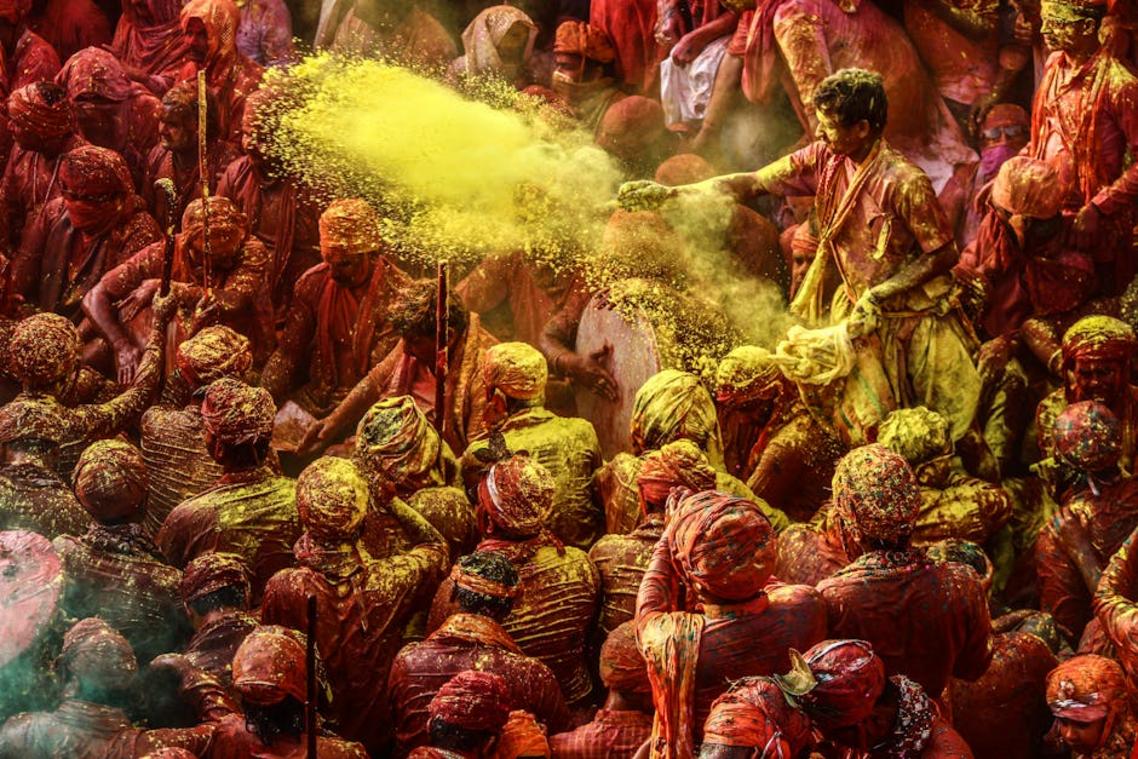
Some festivals aren’t just events—they’re full-body experiences. If you’re choosing where to witness pure, unfiltered joy, start with celebrations that invite you to participate, not just observe.
Holi in India (The Festival of Colors)
Holi marks the arrival of spring and symbolizes the triumph of good over evil, rooted in the legend of Prahlad and Holika (a story of faith overcoming tyranny). Today, it’s a nationwide explosion of powdered color called gulal, music, and laughter. Think of it as nature’s reset button—winter out, vibrancy in.
How to Celebrate:
- Wear white so every splash of pink, blue, and yellow tells the story of your day.
- Choose skin-safe, organic powders to protect yourself and the environment (pro tip: coconut oil on skin helps with cleanup).
- Shout “Holi Hai!”—it means “It’s Holi!” and instantly makes you part of the fun.
Some critics argue Holi has become too commercialized in big cities. That can be true. But if you join local community celebrations, you’ll still find authentic warmth and tradition at its heart.
La Tomatina in Spain (The Tomato Fight)
La Tomatina began in 1945 after a spontaneous food fight in Buñol. Today, it’s the world’s largest tomato battle—organized chaos in the best way possible.
How to Celebrate:
- Wear goggles to protect your eyes.
- Squash tomatoes before throwing to avoid injuries.
- Pay attention to the starting and ending cannons—they signal when to unleash (and when to stop).
For more inspiration, explore a traditional festivals worldwide guide and choose the celebration that matches your spirit of adventure.
The Golden Rules: How to Be a Welcome Guest
Traveling to a festival isn’t just sightseeing—it’s cultural immersion (meaning you actively participate, not just observe). So before you channel your inner travel influencer, remember these essentials:
-
Ask Before You Snap. Always request permission before photographing people, especially during religious ceremonies. Some rituals are sacred, not spectacles (this isn’t a reality show). In many cultures, consent is a sign of respect, not inconvenience.
-
Learn the Lingo. A simple “Hello” or “Thank you” builds rapport faster than any selfie. Even saying “Happy Festival” in the local language can turn a polite exchange into a warm welcome—think of it as real-world Duolingo.
-
Dress the Part. Research local dress codes. Covering shoulders or wearing a headscarf may be required. When in doubt, choose modesty—it’s timeless.
-
Understand the ‘Why.’ Spend 30 minutes with a traditional festivals worldwide guide to grasp the history and symbolism. After all, knowing the story makes the celebration feel less like Coachella and more like cultural connection.
Your Next Great Adventure Is Waiting
The most unforgettable trips aren’t about watching from the sidelines; they’re about participating with respect. Active travel simply means engaging—learning a few local phrases, understanding customs, and showing up with curiosity instead of a camera alone. That’s how moments become memories.
If you’ve browsed a traditional festivals worldwide guide, you’ve already seen the possibilities. The next step is simple planning.
| Step | What It Means |
|---|---|
| Research | Learn dates, customs, dress codes |
| Prepare | Budget, book early, respect traditions |
| Participate | Join in thoughtfully, not passively |
Pick one festival. Start today. Dreaming is good. Planning is better.
Keep the World’s Celebrations Within Reach
You came here looking for clarity on how to experience the world’s most vibrant cultural celebrations without feeling overwhelmed, over budget, or underprepared. Now you have a clearer path forward.
Travel isn’t just about ticking destinations off a list. It’s about standing in the middle of a lantern-lit street, hearing drums echo through ancient plazas, and tasting recipes passed down for generations. The real challenge has always been knowing where to go, when to go, and how to plan it without stress.
That’s exactly why this traditional festivals worldwide guide matters. It turns confusion into confidence and transforms dream trips into well-planned realities.
Don’t let another year pass watching these celebrations through someone else’s photos. Start mapping out your next cultural adventure today. Use the strategies you’ve learned, set your travel dates early, and build a budget that works for you.
If you’re ready to experience authentic festivals without the guesswork, explore our curated travel resources and planning tools now. Join thousands of passionate travelers who rely on our expert-backed guides to simplify complex trips and unlock unforgettable cultural moments.
Your next unforgettable celebration is waiting. Start planning it today.
 Gregory Wrighthingers is the kind of writer who genuinely cannot publish something without checking it twice. Maybe three times. They came to global travel guides and insights through years of hands-on work rather than theory, which means the things they writes about — Global Travel Guides and Insights, Adventure Planning Strategies, Travel Packing and Budgeting Tips, among other areas — are things they has actually tested, questioned, and revised opinions on more than once.
That shows in the work. Gregory's pieces tend to go a level deeper than most. Not in a way that becomes unreadable, but in a way that makes you realize you'd been missing something important. They has a habit of finding the detail that everybody else glosses over and making it the center of the story — which sounds simple, but takes a rare combination of curiosity and patience to pull off consistently. The writing never feels rushed. It feels like someone who sat with the subject long enough to actually understand it.
Outside of specific topics, what Gregory cares about most is whether the reader walks away with something useful. Not impressed. Not entertained. Useful. That's a harder bar to clear than it sounds, and they clears it more often than not — which is why readers tend to remember Gregory's articles long after they've forgotten the headline.
Gregory Wrighthingers is the kind of writer who genuinely cannot publish something without checking it twice. Maybe three times. They came to global travel guides and insights through years of hands-on work rather than theory, which means the things they writes about — Global Travel Guides and Insights, Adventure Planning Strategies, Travel Packing and Budgeting Tips, among other areas — are things they has actually tested, questioned, and revised opinions on more than once.
That shows in the work. Gregory's pieces tend to go a level deeper than most. Not in a way that becomes unreadable, but in a way that makes you realize you'd been missing something important. They has a habit of finding the detail that everybody else glosses over and making it the center of the story — which sounds simple, but takes a rare combination of curiosity and patience to pull off consistently. The writing never feels rushed. It feels like someone who sat with the subject long enough to actually understand it.
Outside of specific topics, what Gregory cares about most is whether the reader walks away with something useful. Not impressed. Not entertained. Useful. That's a harder bar to clear than it sounds, and they clears it more often than not — which is why readers tend to remember Gregory's articles long after they've forgotten the headline.