
Staring at a map of Southeast Asia can make your heart race. Excitement and confusion mix as you dream of your backpacking adventure. Where do you even start?
I’ve been there, trust me. From Bangkok’s bustling streets to Luang Prabang’s serene temples, I’ve wandered these paths. Navigating through endless tips can feel like drowning in noise.
You need clarity (and maybe a little sanity). I’m here to cut through that mess with backpacking tips Southeast Asia. This isn’t just advice.
It’s like having a seasoned travel buddy sharing stories over coffee. You’ll leave this article ready and excited, not just prepared. Ready to dive into the ultimate guide?
You’re going to feel confident and eager to explore by the time we’re done. Let’s make that backpacking dream a reality.
First Things First: Mapping Your Journey
Where should you go? How much will it cost? These are the big questions when planning a trip.
If you’re thinking of backpacking through Southeast Asia (and really, who isn’t?), the Banana Pancake Trail is a perfect starting point. Thailand, Laos, Vietnam, Cambodia (it’s) popular for good reason. The infrastructure is solid, and you’ll meet people easily.
Trust me, it’s not as intimidating as it sounds.
When picking a route, consider how much time you have. One month? Three months?
Your interests matter too. Are you more into partying or hiking? Maybe culture’s your thing.
Seasons also play a role. Nobody wants to get drenched by a monsoon.
Budgeting? A realistic daily range is $30-$50 USD. That covers a dorm bed, local food, transportation, and basic activities.
It’s doable. Before you go, save as much as you can. An emergency fund is key (I learned this the hard way).
Here’s a pro-tip: Travel insurance can save you. Don’t skip it. It feels like an extra cost but think of it as peace of mind.
Already worried about cultural etiquette? You can learn more about it. It’s all part of the adventure.
These backpacking tips for Southeast Asia are meant to get you going with confidence.
So, why wait? Start planning. The world is waiting for you, and the experiences are worth every penny.
Just remember to pack light. You’ll thank me later.
Packing Light: The Backpacker’s Important Checklist
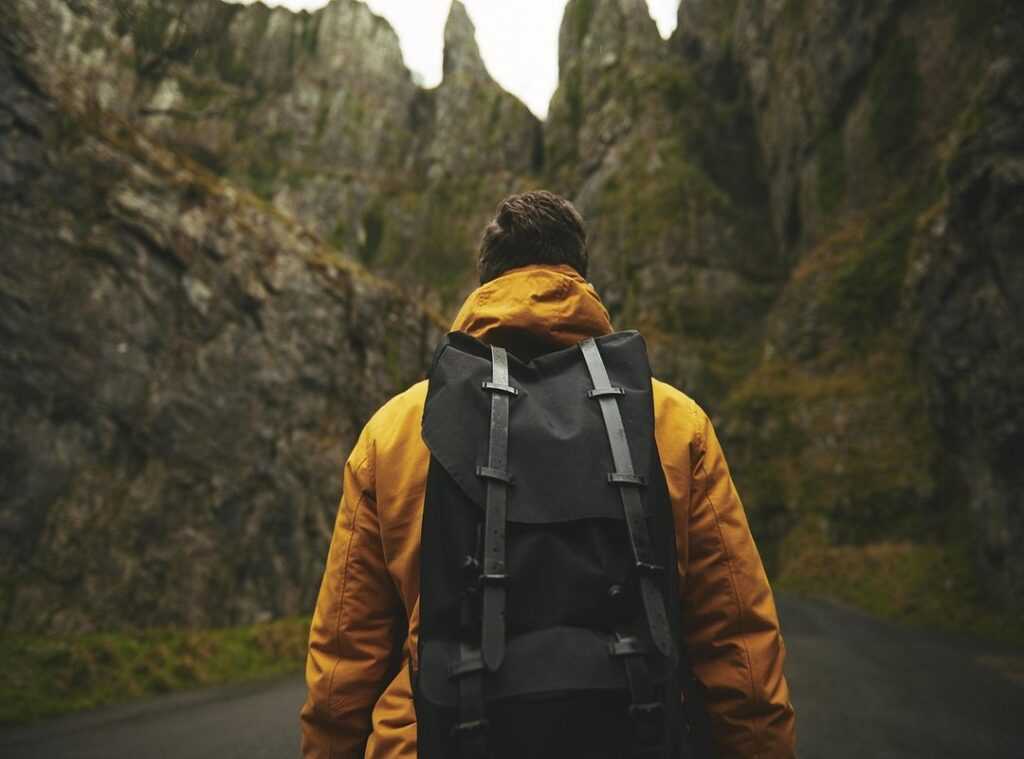
Let’s get one thing straight: you don’t need a gargantuan backpack. Lugging around a massive bag is the opposite of freedom. I’ve been there, trudging around with aching shoulders.
Trust me, a 40-50L pack is more than enough.
Packing light isn’t just practical. It’s liberating. You move quicker, stress less, and your back will thank you.
Clothes? Stick to lightweight, quick-drying fabrics. Layers are your best friend.
Just a few shirts, a pair of pants, and maybe a sarong. Versatile and simple.
Shoes can trip you up. Don’t overpack here either. Two pairs.
That’s it. A solid pair of walking sandals (Tevas are my pick) and some closed-toe trainers. Done.
Toiletries can get messy. I recommend solid options to prevent leaks. A tiny first-aid kit is a must (think antiseptic wipes and pain relievers).
You’re not setting up a pharmacy, just covering the basics.
Tech is tricky. Keep it minimal. A power bank, universal adapter, and headphones are important.
Leave your expensive tech at home. Trust me, you’ll feel less worried about theft.
Wondering how to put this all together for a killer adventure? Check out these backpacking tips Southeast Asia. You’ll be glad you did.
Here’s a pro tip: Plan for the unexpected (a sudden downpour or a last-minute change of plans). With a lighter load, you’re ready to pivot and enjoy. So, are you ready to pack right and light?
I know I am.
On-the-Ground Logistics: Moving Smart in Southeast Asia
Getting around Southeast Asia can be an adventure in itself. Sleeper buses, trains, and budget airlines are your main options. Buses?

They’re cheap but can crawl along painfully. Perfect if you’re on a shoestring and have time to spare. Flights?
Fast, but you’ll miss seeing those breathtaking landscapes unfold. Trains strike a balance, offering a scenic route without the backaches (well, mostly).
Booking transport is where you really need to keep your wits about you. Apps like 12Go Asia are lifesavers for snagging tickets. Or, if you’re more old-school, buy directly at the station a day or two in advance.
Just be wary of scams; if a deal seems too good to be true, it probably is. Trust your gut.
Hostels are every backpacker’s ally. They’re cheap and social, which is key when you’re far from home. Look for ones with recent reviews and check their location. (Being close to city centers can be a game changer.) Lockers are non-negotiable.
Your passport and belongings need a safe spot.
Staying connected is a breeze. Grab a local SIM card at the airport, and you’re set. Viettel in Vietnam is a solid choice.
It’s cheap and works almost everywhere. No need to worry about roaming charges eating up your travel budget.
Money-wise, a mix of cash and a travel-friendly card like Wise or Revolut works best. ATMs are everywhere, and using cards can help dodge those pesky fees. Keep some cash on you for street food and local markets (trust me, you’ll want it).
And remember, while you’re zipping around, don’t forget to travel sustainably responsibly. It’s not just about what you see, but how you tread.
Dive Deeper: Culture and Safety Beyond the Tourist Trail
When you’re backpacking in Southeast Asia, it’s not just about checking off the tourist spots. You want real experiences. Forget obsessing over logistics for a moment.
Focus on the culture. It’s what makes your trip unforgettable. Embrace it.
Start with the food. Street food is where you find authenticity. It’s cheap and delicious.
But you’re thinking, is it safe? Easy. Look for where locals are eating.
If it’s crowded, you’re golden.
Etiquette matters too. Dress modestly when visiting temples. Cover your shoulders and knees.
In Thailand, use the ‘wai’ greeting. It’s a small gesture, but shows respect. And here’s a concept: ‘saving face.’ It might sound odd, but avoid public arguments.
It’s about respect. As simple as that.
People worry about safety (especially) solo travelers. But let’s not overdo the fear. Keep your valuables in lockers.
Always be aware of your surroundings. Inform someone about your plans. And most importantly, trust your gut.
If something feels off, it probably is.
Solo travel? It’s empowering. Lonely?
Nope. Join hostel activities or free walking tours. You’ll meet people.
It’s fun and safe.
Here’s a pro tip: always have a backup plan. Things rarely go as expected. But that’s part of the adventure, right?
In the end, soaking in the culture and staying smart about safety makes all the difference. It’s not just sightseeing; it’s connecting. That’s what travel should be.
And that’s the best backpacking tips Southeast Asia can offer. Now go make those memories.
Your Journey Starts Here
Feeling swamped by the idea of a big trek? You’re not alone. But now, with these backpacking tips Southeast Asia, you’re geared up to tackle it like a pro.
The core struggle? Planning your first trip. This advice cuts through the noise, focusing on what really counts for an unforgettable adventure.
It’s practical and proven.
The hardest part? Booking the flight. So why hesitate?
Dive into those routes and gear up for the adventure of a lifetime. Ready to make memories that last? Start planning.
Your Southeast Asia escapade is just a booking away. Don’t let uncertainty hold you back.
 Syrelia Xelthorne is the kind of writer who genuinely cannot publish something without checking it twice. Maybe three times. They came to bianca voyage cultural immersions through years of hands-on work rather than theory, which means the things they writes about — Bianca Voyage Cultural Immersions, Global Travel Guides and Insights, Wanderlust Highlights, among other areas — are things they has actually tested, questioned, and revised opinions on more than once.
That shows in the work. Syrelia's pieces tend to go a level deeper than most. Not in a way that becomes unreadable, but in a way that makes you realize you'd been missing something important. They has a habit of finding the detail that everybody else glosses over and making it the center of the story — which sounds simple, but takes a rare combination of curiosity and patience to pull off consistently. The writing never feels rushed. It feels like someone who sat with the subject long enough to actually understand it.
Outside of specific topics, what Syrelia cares about most is whether the reader walks away with something useful. Not impressed. Not entertained. Useful. That's a harder bar to clear than it sounds, and they clears it more often than not — which is why readers tend to remember Syrelia's articles long after they've forgotten the headline.
Syrelia Xelthorne is the kind of writer who genuinely cannot publish something without checking it twice. Maybe three times. They came to bianca voyage cultural immersions through years of hands-on work rather than theory, which means the things they writes about — Bianca Voyage Cultural Immersions, Global Travel Guides and Insights, Wanderlust Highlights, among other areas — are things they has actually tested, questioned, and revised opinions on more than once.
That shows in the work. Syrelia's pieces tend to go a level deeper than most. Not in a way that becomes unreadable, but in a way that makes you realize you'd been missing something important. They has a habit of finding the detail that everybody else glosses over and making it the center of the story — which sounds simple, but takes a rare combination of curiosity and patience to pull off consistently. The writing never feels rushed. It feels like someone who sat with the subject long enough to actually understand it.
Outside of specific topics, what Syrelia cares about most is whether the reader walks away with something useful. Not impressed. Not entertained. Useful. That's a harder bar to clear than it sounds, and they clears it more often than not — which is why readers tend to remember Syrelia's articles long after they've forgotten the headline.