
Planning your next adventure should feel exciting—not overwhelming. Whether you’re mapping out a multi-country journey, preparing for a rugged trek, or looking to stretch your travel budget further, this guide is designed to give you clear, practical direction. Travelers often struggle to balance logistics, cultural research, packing decisions, and cost management all at once. That’s exactly where this article comes in.
Inside, you’ll find carefully curated travel strategies, destination insights, and a practical expedition gear selection guide to help you prepare with confidence. We’ve drawn from seasoned globetrotters, local expertise, and real-world travel planning experience to ensure every recommendation is actionable and reliable.
If your goal is to travel smarter, immerse yourself more deeply in local cultures, and avoid costly mistakes, you’re in the right place. Let’s turn your wanderlust into a well-planned, unforgettable journey.
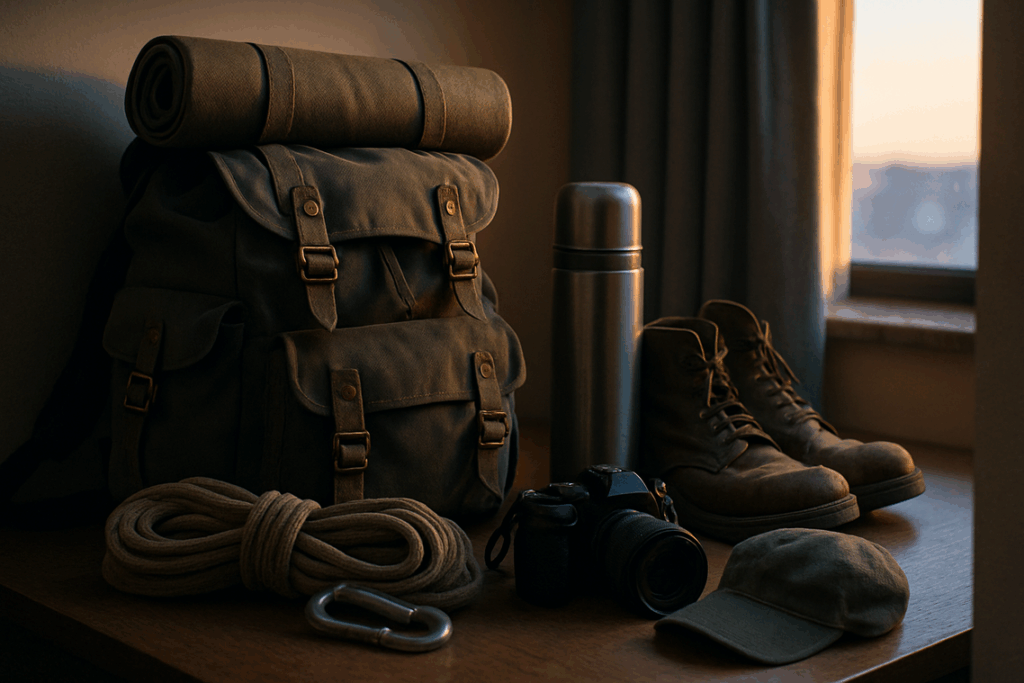
Your expedition starts long before the first boot crunches over gravel. It begins with the quiet click of buckles, the rasp of zippers, the faint scent of new canvas and cold steel. The wrong gear can chafe, snap, or soak through when the storm rolls in. By contrast, the right setup feels balanced on your shoulders and steady in your hands. This expedition gear selection guide moves beyond checklists and into principles: weight distribution, climate compatibility, redundancy planning. As a result, you’ll pack smarter, travel lighter, and step into any landscape with calm, prepared confidence. Choose wisely before departure. Always.
Before you buy a single carabiner or compression sack, pause. Expedition packing is less about stuff and more about trade-offs. Durability vs. weight is the classic tension. A bombproof four-season tent makes sense at high-altitude basecamp, where failure is dangerous. On a long-distance thru-hike, though, shaving grams reduces fatigue and injury risk (your knees will thank you). Studies in sports medicine link lighter loads to lower overuse injuries (NIH). So ultralight is not reckless; sometimes it is strategic.
Next, think in systems. Modularity and layering mean each piece performs multiple roles. A moisture-wicking base layer, insulating mid layer, and weatherproof shell can handle desert nights and alpine squalls without hauling three separate jackets. The same logic applies to sleep systems: quilt, pad, and liner working together.
Now for a contrarian take: redundancy is essential, but not everywhere. The mantra “two is one, one is none” should apply to fire, navigation, and water purification—critical survival pillars. Yet doubling every gadget just adds dead weight. Smart backups, not blind duplication, belong in any expedition gear selection guide. Choose intentionally, then pack confidently. In short, discipline beats impulse when conditions turn hostile and margins for error disappear quickly Plan smart, travel lighter Always
The Big Three: Your Mobile Lifeline
These three items—shelter, sleep system, and pack—are the heaviest pieces of gear you’ll carry. In other words, they can make or break your trip.
Choosing Your Shelter
First, ignore brand hype. A 3-season tent is designed for spring through fall, handling rain and moderate wind. A 4-season tent adds stronger poles and less mesh to withstand snow loads and alpine gusts (think Everest base camp, not Coachella). Some argue tarps are enough—and yes, they’re lighter and versatile. However, in bug-heavy forests or sideways rain, a fully enclosed tent earns its weight. A bivy sack (a waterproof shell for your sleeping bag) suits solo minimalists, though condensation can be an issue. Ultimately, match your shelter to expected weather, terrain, and whether you’re traveling solo or sharing weight.
Decoding Your Sleep System
Next, understand temperature ratings. The comfort rating reflects what an average sleeper can handle comfortably; the limit rating is survival territory (not exactly cozy). Down insulation is lighter and warmer per ounce, while synthetic performs better when wet (National Outdoor Leadership School notes moisture management as critical in cold environments). Just as important is your pad’s R-value, which measures thermal resistance. Pro tip: cold ground steals heat faster than cold air.
Fitting Your Pack
Finally, fit matters. Measure your torso length—not your height—to size a pack correctly. Capacity (liters) depends on trip duration; 40–50L suits weekends, 60L+ for longer treks. Internal frames hug your body; external frames carry heavy loads; frameless packs reward ultralighters. Some say comfort is secondary to weight savings. I disagree—pain ruins adventures faster than ounces.
For more pacing strategies, see balancing thrill and rest on high energy vacations. Think of this as your expedition gear selection guide foundation.
Essential Systems for Expedition Success
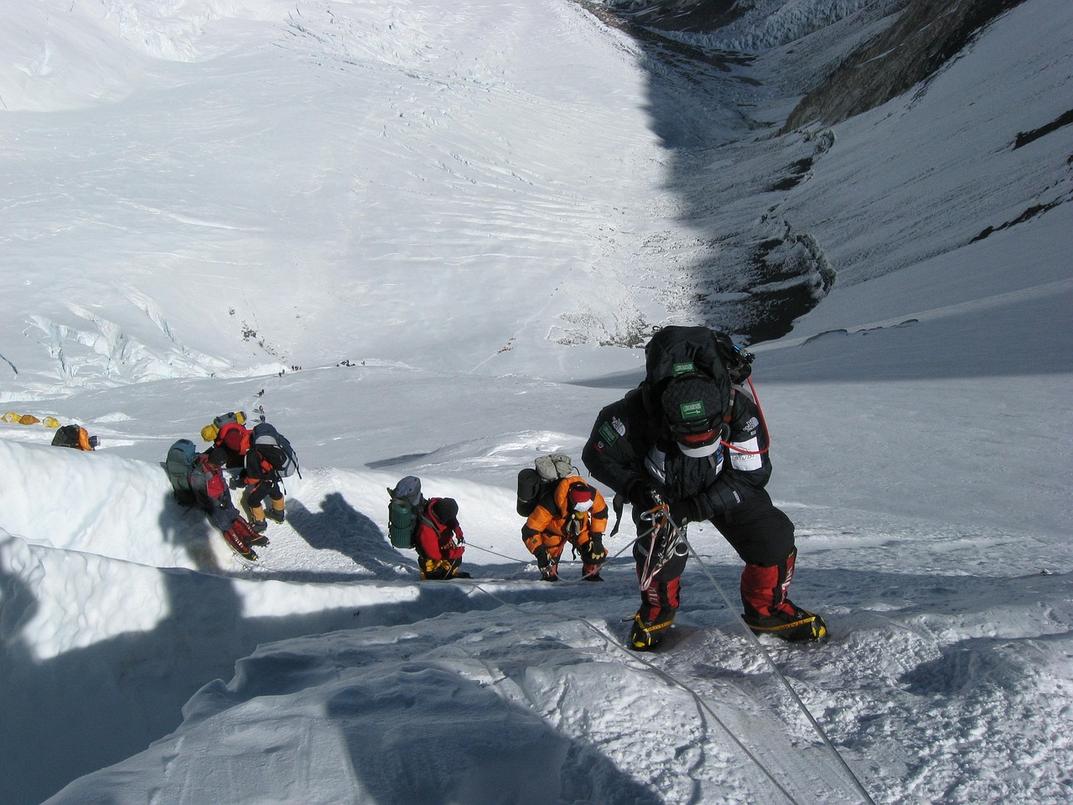
With your shelter, sleep system, and pack handled, the next layer is operational survival (the stuff that keeps Type 2 fun from becoming Type 3 misery).
The Navigation Toolkit
Your phone’s GPS is convenient—but it’s not a plan. Batteries die. Screens crack. Signals vanish.
A reliable navigation kit includes:
- Waterproof topographic map (shows terrain features and elevation lines)
- Baseplate compass (a compass with a flat, transparent base for precise map work)
- GPS device or altimeter watch as backup
A topographic map uses contour lines to represent elevation—tight lines mean steep terrain. Think of it as reading the landscape in 3D. While some argue paper maps are outdated, search-and-rescue data consistently shows battery failure as a common factor in backcountry incidents (National Park Service). Redundancy isn’t old-school—it’s smart.
Pro tip: Store your map in a zip-seal bag even if it’s labeled waterproof.
Cooking & Hydration
Choose your stove based on climate. Canister stoves are lightweight and simple. Liquid fuel stoves perform better in freezing conditions (mountaineers still rely on them for a reason).
Water safety matters more than convenience. A filter removes bacteria and protozoa. A purifier also neutralizes viruses—critical in regions where water contamination includes human waste (CDC guidance). In North America, filters are often sufficient. Internationally? A purifier is safer.
Speculation: As microplastics research expands, future filters may target particles smaller than today’s systems address.
Safety and Communication
Build a first-aid kit tailored to your trip—include blister care, wound closure strips, and anti-inflammatory meds.
Modern communication has evolved. PLBs (Personal Locator Beacons) send a distress signal via satellite to rescue services. Satellite messengers allow two-way texting. Critics say they encourage riskier behavior. Maybe. But faster response times undeniably save lives.
Expect satellite tech to become lighter and subscription-free within a decade.
For deeper preparation, consult an expedition gear selection guide before committing to remote terrain.
The Final Check: Field-Testing Your Kit
Buying gear feels productive. Testing it is what keeps you safe.
The Backyard Shakedown pays off immediately. Pitch your tent, boil water, and sleep outside at home. You’ll catch missing stakes, confusing stove controls, or a lumpy sleep pad (better your backyard than a wind-lashed ridge). The benefit? Confidence. You head out knowing your systems work.
The Stress Test is where comfort meets reality:
- Load your pack fully
- Hike hard
- Note hot spots or balance issues
This step turns your expedition gear selection guide into lived experience—saving pain, time, and potentially the whole trip.
Building Your Expedition-Ready Loadout
Research shows that poor preparation contributes to nearly 60% of wilderness rescue incidents (National Park Service). That’s why a methodical gear system matters. By refining your Big Three—pack, shelter, sleep system—you reduce base weight and fatigue, which studies link to higher injury rates on multi-day treks.
Follow an expedition gear selection guide to pressure-test every item before departure.
- Field-test equipment in controlled conditions to expose weak points early.
Evidence from long-distance thru-hikers proves that deliberate load planning increases completion rates and confidence when conditions turn unpredictable. Preparation is measurable, repeatable, and proven to save lives globally.
Ready to Plan Your Next Unforgettable Journey
You set out looking for clarity, inspiration, and practical direction for planning your next adventure—and now you have it. From smarter budgeting to deeper cultural immersion and strategic preparation, you’re equipped to travel with confidence instead of guesswork.
The biggest frustration for most travelers isn’t a lack of desire—it’s overwhelm. Too many destinations, too many details, and the fear of getting it wrong. With the right plan and a reliable expedition gear selection guide, you eliminate uncertainty and replace it with excitement and control.
Now it’s time to act. Choose your destination, map out your experiences, and prepare with intention. Thousands of travelers rely on our trusted travel insights to simplify planning and avoid costly mistakes.
Don’t let indecision delay your next adventure. Start planning today, use the tools available to you, and turn that travel dream into a fully booked reality.
 Director of Global Development