
There’s a special kind of exhaustion that comes from following a minute-by-minute travel plan—rushing from landmark to landmark, watching the clock instead of the sunset. The irony? Travel is supposed to feel freeing, yet rigid itineraries often lead to burnout and missed, magical detours. The real goal isn’t to complete a checklist. It’s to experience adventure. In this guide, you’ll learn how to design a flexible adventure itinerary that balances must-see highlights with space for spontaneity. By the end, you’ll know exactly how to craft a personalized travel schedule that adapts to your mood, energy, and unexpected discoveries in real time.
The “Anchor & Float” Method: The Foundation of Flexible Travel
At its core, the Anchor & Float method is simple: build your trip around a few fixed commitments (Anchors) and leave the rest open as adaptable options (Floats). In other words, structure without suffocation.
Anchors are your non-negotiables—the elements you lock in ahead of time. Typically, these include flights, your first and last night’s accommodation, and perhaps one must-see reservation (think: a timed entry to the Louvre or a coveted sushi counter in Tokyo). By limiting anchors, you reduce overcommitment. Too many, and your trip starts to feel like a conference agenda (and no one wants that).
That said, I’ll admit there’s debate here. Some travelers swear by minute-by-minute planning. And honestly, for short city breaks, that can work. Still, for longer journeys, rigidity often backfires when weather shifts or energy dips.
Floats, meanwhile, are curated possibilities—saved restaurants, bookmarked hikes, neighborhood markets. You choose from them each morning depending on mood, weather, or a local’s tip. It’s less “The Amazing Race,” more “choose your own adventure.”
Pro tip: Keep your floats grouped by area to avoid crisscrossing a city unnecessarily.
Ultimately, a flexible adventure itinerary balances certainty with spontaneity—and while no system guarantees magic, this one leaves room for it.
Step 1: Setting Your Anchors for a Stress-Free Foundation
Every great trip starts with clarity. Before booking anything, separate your must-do experiences from your nice-to-haves. A must-do is something that would genuinely disappoint you if missed—like hiking Machu Picchu or attending a specific festival. Nice-to-haves are enjoyable but flexible, such as visiting a trendy café or exploring a neighborhood.
Next, book only what’s truly necessary. Secure time-sensitive tickets, limited-entry attractions, or accommodations in remote areas where options are scarce. Leave the rest open. Overbooking creates pressure (and vacation shouldn’t feel like a group project deadline).
Follow the Rule of Three: plan just one major “Anchor” activity per day. This gives structure without sacrificing spontaneity. You’ll have space for local recommendations, weather changes, or unexpected discoveries.
This balanced approach forms the backbone of a flexible adventure itinerary—structured enough to feel organized, loose enough to feel free.
Step 2: Curating Your ‘Menu of Options’ for Maximum Personalization
Researching Floats
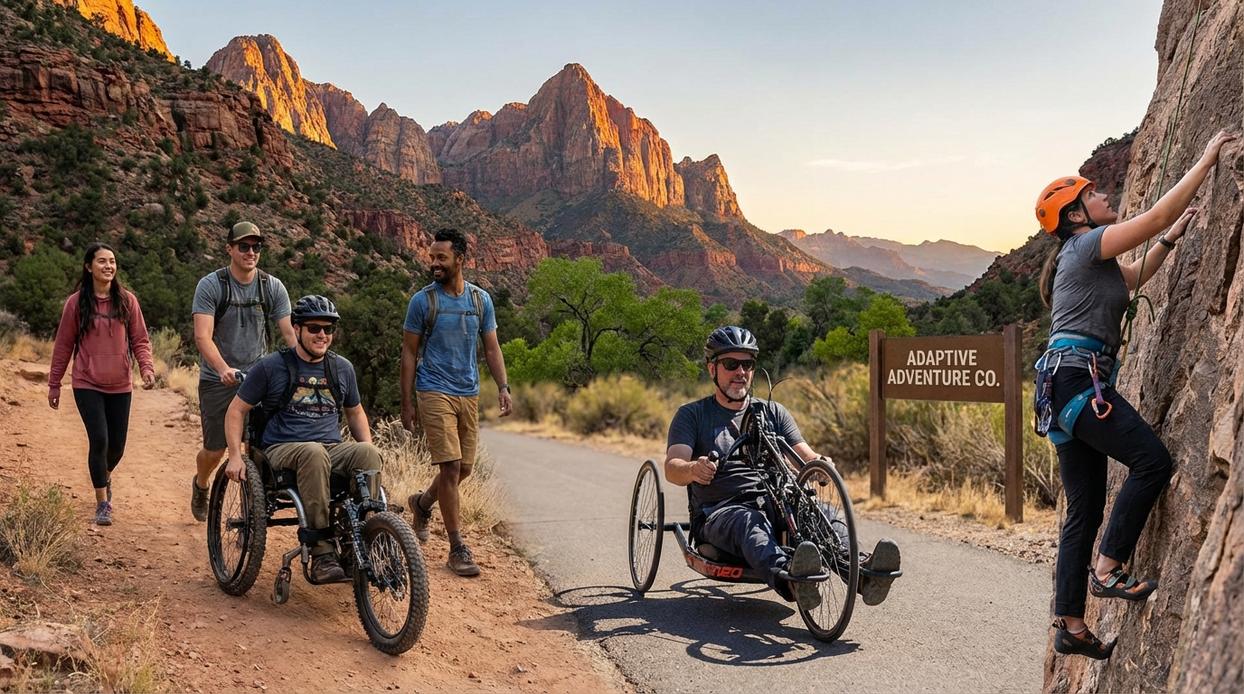
First, build a categorized list of potential “Floats” (optional activities you can plug into open time slots). Group them by adventure, culture, food, and relaxation, then narrow by location. According to a 2023 Booking.com survey, 73% of travelers prioritize experiences over material purchases, which means thoughtful activity research directly impacts trip satisfaction. For example, if you’re visiting Lisbon, you might list a coastal kayak tour (adventure), a Fado performance (culture), a pastel de nata tasting crawl (food), and a beach afternoon in Cascais (relaxation). Evidence shows travelers who pre-research options report lower stress levels during trips (U.S. Travel Association). In other words, a little prep now prevents decision fatigue later.
Organizing Your Options
Next, organize activities by neighborhood using a notes app or physical journal. This minimizes transit time—a key factor, since studies show travelers spend up to 15% of city breaks commuting between attractions. Clustering options supports a flexible adventure itinerary while keeping logistics efficient. For deeper planning strategies, review this guide on step by step adventure trip planning for outdoor enthusiasts.
Budgeting for Flexibility
Finally, reserve 10–20% of your total budget for spontaneous Floats. Financial planners consistently recommend contingency buffers to reduce stress. Consequently, you can say yes to surprise opportunities—without wincing at your bank balance.
Structuring Your Day: From Timetables to Themes
Rigid timetables can make travel feel like a checklist. Instead of “10 AM: Museum, 1 PM: Lunch,” try a Cultural Exploration Day in one neighborhood. This thematic approach—grouping experiences by vibe or location rather than hour—creates a natural rhythm (and fewer frantic map checks).
Sample themes:
- Coastal Hike & Seafood Day
- Historic Old Town Immersion
- Mountain View & Relaxation Day
Each theme becomes a flexible adventure itinerary that adapts to mood, crowds, or a surprise street performance. Pro tip: cluster stops within walking distance to reduce transit fatigue.
Every morning, do a five-minute check-in. Scan the weather, assess energy levels, and build from your “Float” menu of saved ideas. If rain rolls in, swap summits for galleries. SIMPLE.
Some argue strict schedules maximize productivity. Fair—but travel isn’t a board meeting. As remote work rises, I PREDICT more यात्रies will favor theme-based days over hour-by-hour plans (think “Eat, Pray, Love,” minus the chaos). For more planning ideas, see https://example.com.
First, offline maps are nonnegotiable. When Wi-Fi disappears at the worst possible moment—usually when you’re staring at a maze of streets—Google Maps offline mode or Maps.me can save the day. I always download entire regions before landing; it’s the travel equivalent of carrying a paper map, minus the tourist vibe.
Next, flexible booking platforms are worth their weight in gold. I only book stays with free cancellation because plans change—weather shifts, new friends invite you elsewhere, or a hidden beach steals your heart. Some argue firm bookings lock in better rates, and that’s fair. Still, I’d rather protect my flexible adventure itinerary than chase a small discount.
Finally, digital notebooks like Notion, Evernote, or Google Keep keep ideas organized.
Your Adventure, Your Rules
True travel freedom isn’t about throwing away the plan—it’s about creating one that works for you. With an flexible adventure itinerary, you’re no longer trapped by rigid schedules or overwhelmed by overbooked days. You can finally escape the anxiety of an over-scheduled vacation and enjoy the balance of structure and spontaneity. Ready to travel smarter, not stressed? Start building your first Anchor & Float plan today and experience the freedom your next trip deserves.
 Founder & Visionary Director
Syrelia Xelthorne is the visionary founder of the organization, known for her bold ideas and relentless determination. She established the company with a mission to blend innovation, culture, and global connectivity. With a background in international development and creative strategy, she shaped the company’s long-term vision. Her leadership style combines empathy with decisive action, earning her deep respect across teams. Syrelia is passionate about building inclusive opportunities and empowering emerging talent. She remains actively involved in strategic partnerships and global expansion efforts. Under her guidance, the organization has grown into a recognized leader in its field.
Founder & Visionary Director
Syrelia Xelthorne is the visionary founder of the organization, known for her bold ideas and relentless determination. She established the company with a mission to blend innovation, culture, and global connectivity. With a background in international development and creative strategy, she shaped the company’s long-term vision. Her leadership style combines empathy with decisive action, earning her deep respect across teams. Syrelia is passionate about building inclusive opportunities and empowering emerging talent. She remains actively involved in strategic partnerships and global expansion efforts. Under her guidance, the organization has grown into a recognized leader in its field.