

Planning your next adventure should feel exciting—not overwhelming. If you’re searching for practical travel guidance, cultural insights, and realistic budgeting tips, this article is designed to give you exactly that. We break down essential strategies for crafting meaningful journeys, from choosing destinations and mapping out itineraries to immersing yourself in local traditions with confidence and respect.
Travel today requires more than a list of must-see attractions. Smart explorers prioritize outdoor activity safety planning, thoughtful budgeting, and cultural awareness to ensure every experience is both memorable and responsible. That’s why this guide combines firsthand travel research, insights gathered from seasoned globetrotters, and carefully reviewed destination data to give you advice you can rely on.
Whether you’re preparing for a solo adventure, a cultural deep dive, or an action-packed getaway, you’ll find clear, actionable steps to help you plan smarter, travel safer, and make the most of every journey.
Adventure favors the bold, but it rewards the prepared. A smart plan begins with outdoor activity safety planning—a structured approach to identifying risks before they identify you. Some argue that overplanning kills spontaneity, that the best memories come from winging it. Fair point. Yet search-and-rescue data consistently shows poor preparation is a leading factor in preventable incidents (National Park Service).
So, start with a checklist: route research, weather windows, emergency contacts. Define “turnaround time” (the preset hour you head back regardless of progress). Next, pack essentials. Finally, decide conservatively on trail. Pro tip: leave your itinerary with someone you trust.
Before You Go: The Non-Negotiable Safety Checklist
Preparation isn’t just a box to tick—it’s your unfair advantage. A solid plan dramatically lowers your risk of injury and increases your odds of actually enjoying the adventure you worked so hard to plan.
Research Your Destination Thoroughly
Knowledge turns uncertainty into confidence. Study weather forecasts (the National Weather Service recommends checking updates within 24 hours of departure), evaluate terrain like elevation gain and river crossings, and confirm wildlife activity in the area. Understand permit requirements and local regulations so you’re not turned back at the trailhead. The benefit? Fewer surprises, smarter packing, and the freedom to focus on the experience—not damage control. Think of it as reading the map before entering the maze (Indiana Jones rarely skipped this step).
Assess Your Fitness Level Honestly
It’s easy to overestimate what adrenaline will carry you through. Be realistic about distance, pack weight, and technical difficulty. According to search and rescue reports, fatigue is a leading contributor to preventable emergencies. Training ahead of time builds endurance and reduces injury risk. The payoff is huge: stronger performance, quicker recovery, and the confidence that your body can handle the challenge.
Create and Share a Detailed Itinerary
This is your lifeline. Outline your route, planned stops, expected timing, and vehicle location. Share it with a trusted contact who knows when to raise the alarm. This single act of outdoor activity safety planning can cut emergency response times dramatically. Peace of mind for you—and for those waiting at home—is priceless.
Plan smart now. Adventure boldly later.
Packing for Peace of Mind: Your Essential Safety Kit
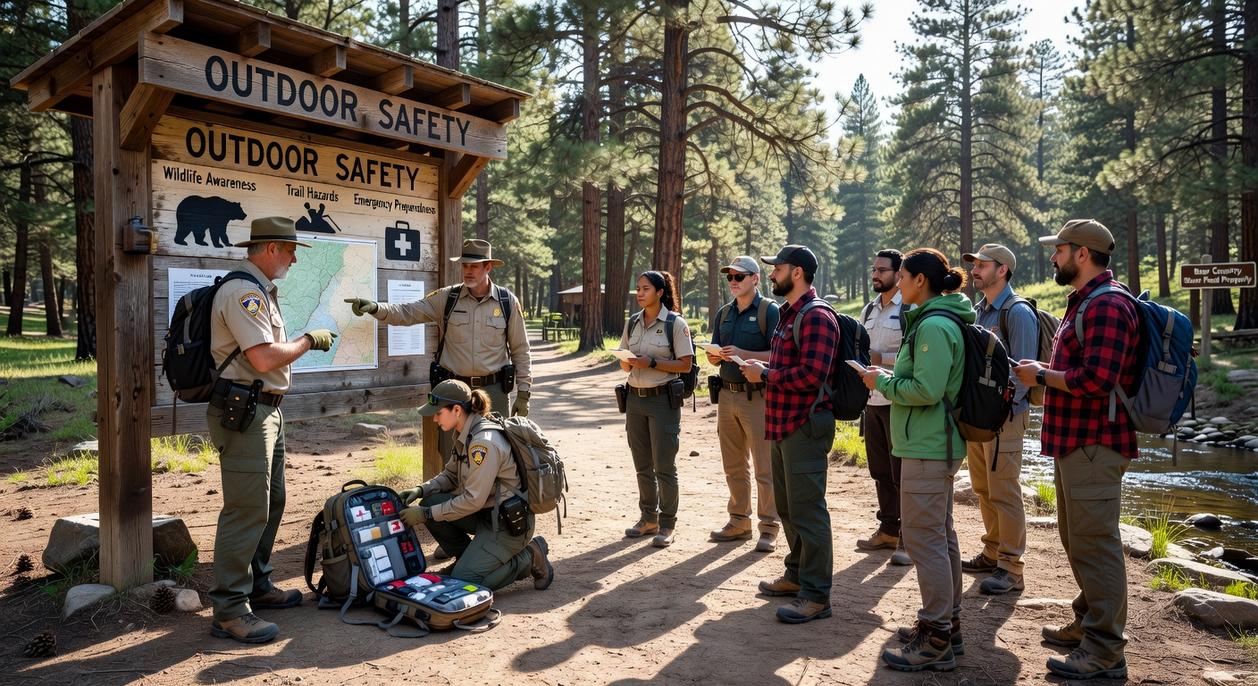
A few years ago, I underestimated a “short” mountain hike that turned into an unexpected overnight stay (the weather had other plans). What saved me wasn’t luck—it was preparation. That experience reshaped how I approach outdoor activity safety planning.
First, master the modern Ten Essentials—a standardized list of core backcountry safety items originally developed by The Mountaineers in the 1930s and updated for today’s tech (Mountaineers.org).
- Navigation: Map, compass, and GPS or phone with backup power. (Batteries die. Paper doesn’t.)
- Headlamp: With extra batteries.
- Sun protection: Sunglasses, sunscreen, hat.
- First-aid kit: Tailored to your group size.
- Knife or multi-tool: For repairs and emergencies.
- Fire starter: Lighter or waterproof matches.
- Emergency shelter: Bivy sack or space blanket.
- Extra food: High-calorie, non-perishable snacks.
- Extra water: Plus purification method (filter or tablets).
- Extra clothes: An insulating layer at minimum.
Some argue this is overkill for day hikes. I used to agree. However, search-and-rescue data consistently shows that many emergencies stem from minor injuries or sudden weather shifts (National Park Service). The extra weight? Usually less than a liter of water. The payoff? Peace of mind.
Next, include activity-specific gear. In grizzly country, carry bear spray and a canister. On remote solo treks, a personal locator beacon (PLB) can transmit distress signals via satellite. Trekking poles add stability on loose terrain (your knees will thank you later). Pro tip: research regional hazards before packing.
Equally important, dress in a layering system. Avoid cotton—it loses insulation when wet (REI Co-op Expert Advice). Instead, wear a moisture-wicking base layer, an insulating mid-layer like fleece or down, and a waterproof/windproof shell.
Finally, preparation isn’t paranoia. It’s confidence. If you’re unsure where to begin, explore guidance on choosing the right gear for multi day expeditions. Because when adventure calls, you’ll want excitement—not regret—along for the ride.
Staying Safe in the Wild: Real-Time Risk Management
Adventure doesn’t reward autopilot. In the wild, situational awareness—your ongoing understanding of where you are and what’s happening around you—is everything. Rather than blindly following a trail, actively confirm your position on a map, note shifting weather patterns, and track remaining daylight. A clear horizon can turn stormy faster than a plot twist in a survival movie (yes, even faster than in The Revenant). In the future, wearable tech with real-time terrain alerts may become standard gear—but for now, your best tool is attention.
At the same time, manage your internal resources. Fatigue clouds judgment, and dehydration slows reaction time. According to the CDC, even mild dehydration can impair cognitive performance. That’s why you should pace yourself, sip water consistently, and snack regularly to maintain stable blood sugar. Energy management means treating calories and hydration as strategic assets, not afterthoughts. Some argue that “pushing through” builds grit. However, exhaustion increases risk, and preventable mistakes often happen late in the day. Pro tip: eat before you’re hungry and rest before you’re exhausted.
Still, even careful hikers face setbacks. If you become lost or injured, remember S.T.O.P: Stop, Think, Observe, Plan. This method interrupts panic and restores rational decision-making. Assess injuries, evaluate supplies, and create a next step. Preparation meets practice here.
Ultimately, outdoor activity safety planning isn’t about fear—it’s about adaptability. As climate patterns grow less predictable (a trend many experts anticipate will continue), real-time risk management may soon be the most essential skill every adventurer carries.
Adventure is freedom—but only when preparation backs it up. Studies from the National Park Service show that most backcountry incidents stem from poor planning and lack of essential gear, not extreme conditions. In other words, unpreparedness—not danger itself—is the real risk.
That’s why this guide centers on outdoor activity safety planning as a repeatable system. First, research terrain, weather patterns, and local regulations. Next, pack essential gear (navigation tools, first-aid supplies, extra layers). Finally, practice smart on-trail habits like pacing and check-ins.
Use this checklist before your next trip. Over time, safety becomes automatic—turning uncertainty into confidence. With real evidence.
Turn Your Travel Plans Into Confident Adventures
You set out to find practical guidance for planning unforgettable trips, smarter budgets, and deeper cultural experiences—and now you have a clear roadmap to do exactly that. From choosing immersive destinations to mapping out logistics and prioritizing outdoor activity safety planning, you’re better prepared to travel with confidence instead of uncertainty.
The biggest frustration for most travelers isn’t the lack of inspiration—it’s the fear of missed details, overspending, or unsafe planning that can derail the experience. With the right strategies in place, those pain points disappear. You can explore boldly, stay on budget, and embrace authentic adventures without second-guessing every decision.
Now it’s time to take action. Start mapping out your next destination, apply these planning strategies, and build your itinerary around meaningful experiences—not guesswork. Thousands of travelers rely on our trusted travel insights and practical adventure frameworks to simplify complex planning and travel smarter.
Don’t let overwhelm hold back your next journey. Dive into your next guide, start planning today, and turn your wanderlust into a well-executed, unforgettable adventure.
 Chief Operations Strategist