

Planning your next journey can feel overwhelming—where to go, what to budget, how to experience a destination beyond the tourist surface. If you’re searching for practical guidance, authentic insights, and clear steps to make your travels unforgettable, you’re in the right place. This guide is designed to simplify adventure trip planning with actionable strategies, destination highlights, cultural immersion tips, and smart budgeting advice that actually works in real-world travel scenarios.
We’ve analyzed current travel trends, consulted seasoned globetrotters, and drawn from on-the-ground insights to ensure every recommendation is realistic, experience-driven, and tailored to modern travelers. Whether you’re mapping out a once-in-a-lifetime expedition or a spontaneous weekend escape, this article will help you choose destinations wisely, plan efficiently, and travel confidently—so you can focus less on logistics and more on meaningful experiences.
Your Blueprint for an Unforgettable Outdoor Adventure
Planning a multi-activity escape shouldn’t feel like herding cats (especially when the tent poles vanish). Start with a clear objective: challenge, relaxation, or skill-building. Next, map logistics—permits, weather windows, trail distances, and travel time—so surprises stay fun. Build a gear matrix that matches each activity to essentials like hydration systems and layered insulation. Then, balance high-adrenaline pursuits with recovery blocks to prevent burnout. Finally, create a contingency plan with local contacts and backup routes. This structured adventure trip planning framework reduces risk and amplifies joy. In short, preparation transforms chaos into confidence outdoors and maximizes every hard-earned moment.
Laying the Foundation: Vision, Location, and Timing
Define your “why.” Research shows that people who set specific travel goals report higher satisfaction rates, according to a 2023 Booking.com survey (over 70% cited purpose-driven planning as key). Are you chasing relaxation, adrenaline, skill-building, or exploration? This core theme anchors every decision in adventure trip planning and prevents shiny-object detours (yes, even that viral cliff swing).
Scouting the perfect location requires evidence, not vibes. Use topographical maps to assess elevation gain, park websites for permit data, and travel forums for firsthand trail reports. For example, AllTrails user data often flags seasonal washouts weeks before official updates. Look for:
- CLIMATE PATTERNS
- Access logistics
- Safety records
Choosing your adventure window matters. The National Park Service reports peak-season visitation can double wait times and raise lodging costs by 30% or more. Shoulder seasons often balance stable weather with thinner crowds.
Finally, build your adventure crew with intention. A 2022 Outdoor Industry Association study found mismatched skill levels were a top reason trips ended early. Align on budget, pace, and risk tolerance upfront (pro tip: agree on daily mileage in writing). Harmony isn’t luck; it’s planned. Preparation turns uncertainty into measurable, manageable progress. With clear data.
Crafting the Itinerary: Blending Activities Seamlessly
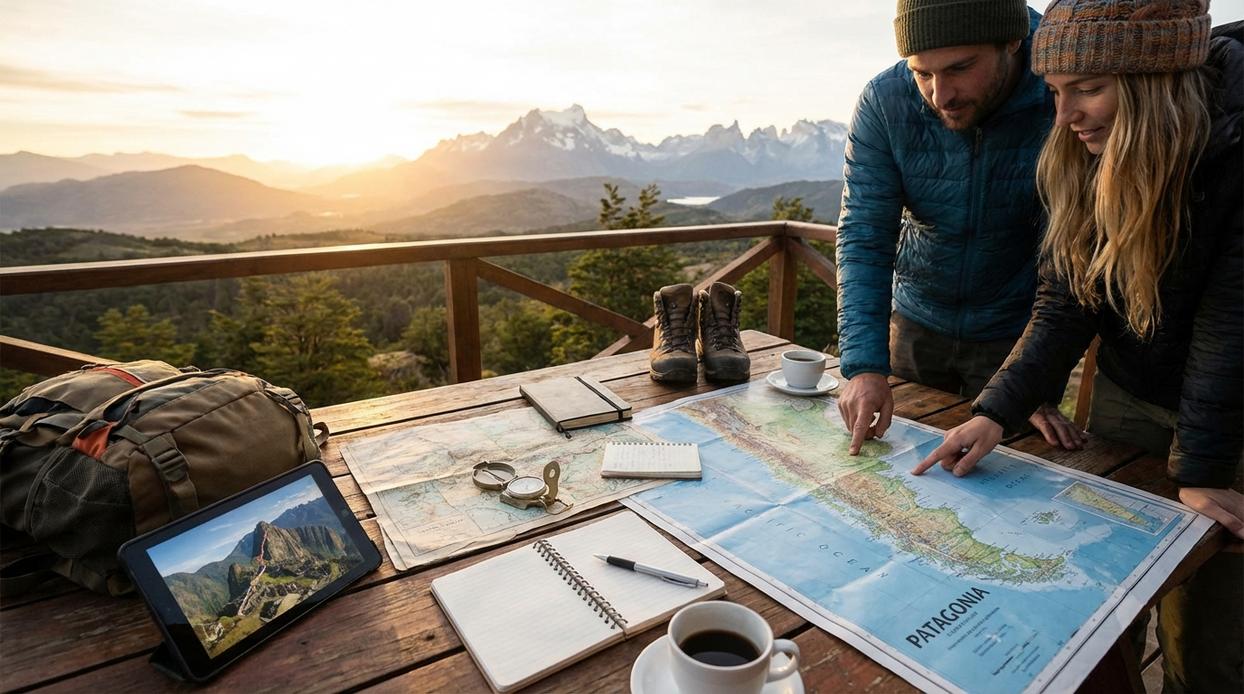
Great trips don’t happen by accident—they’re engineered (with a little room for magic). Start with the Anchor Activity Method. An anchor activity is your primary experience—the centerpiece of the trip—like a four-day hike in Patagonia. Everything else (kayaking, local food tours, rock climbing) supports that anchor. Think of it like building a playlist: one headliner, strong supporting tracks.
Some travelers argue for hyper-packed schedules—“I flew this far, I’m doing everything.” Fair. But stacking high-intensity days back-to-back is how burnout sneaks in. Instead, manage pacing by alternating demanding days with lighter ones. Summit attempt on Monday, scenic village stroll Tuesday. Your future self will thank you (probably while soaking sore legs in a hot spring).
Next comes Logistical Mapping—plotting realistic travel time between activities. Mountain roads, ferry delays, and weather shifts aren’t “minor details.” Build a Plan B for each anchor event. If storms cancel your climb, pivot to a cultural workshop or museum stop. For deeper preparation, review risk assessment in adventure travel how to prepare smartly before locking in plans.
Budgeting is the quiet hero of adventure trip planning. Track four core categories: permits, gear rentals, food, and transport. Use a simple spreadsheet and estimate 10% extra for surprises. Pro tip: public lands often list free campsites—check regional park sites directly.
What’s next? Once your framework is set, consider travel insurance, seasonal crowd patterns, and gear weight limits. A seamless itinerary isn’t just exciting—it’s resilient.
Mastering the Logistics: Permits, Food, and Navigation
I once drove six hours to a national park—only to learn at the ranger station that my backcountry camping permit required advance online booking. (Cue the long, humbling drive back.) That’s when I started treating permits as step one, not an afterthought.
Navigating the Red Tape
Research every layer of access: park entry passes, wilderness permits, fire restrictions, and activity-specific licenses like fishing tags. A permit is official authorization to use protected land or resources, often limited to control environmental impact (National Park Service, nps.gov). Create a checklist and confirm deadlines. Screenshot confirmations and save them offline. Policies change seasonally, especially in high-traffic areas.
Fueling Your Trip
On trail days, I rely on lightweight, high-calorie foods—think nut butter packets, tortillas, trail mix, and dehydrated meals. Calorie density (calories per ounce) matters because it reduces pack weight while maintaining energy. At basecamp, I upgrade to rice, lentils, or foil-packed salmon for recovery. Some argue fresh food boosts morale—and they’re right—but weight and spoilage risk are real constraints. (No one enjoys cleaning exploded yogurt from a pack.)
Water Strategy
The CDC recommends roughly 2–3 liters per day for moderate activity, more in heat (cdc.gov). Calculate by distance, elevation gain, and climate. I once underestimated desert mileage and rationed sips by noon—never again. Plan refill points and carry a filter or purification tablets.
Modern vs. Traditional Navigation
Apps like Gaia GPS and AllTrails are powerful, but batteries die. A topographic map and compass remain essential backups. GPS offers convenience; traditional navigation offers resilience. The smartest adventure trip planning blends both—because confidence comes from redundancy, not luck.
The smartest packers focus on versatility, not volume. First, let’s clarify the layering system: a simple formula of base, mid, and shell layers. A base layer wicks moisture—meaning it pulls sweat off your skin. A mid-layer insulates, trapping body heat. The shell blocks wind and rain. Together, they adapt to shifting forecasts. Next, choose multi-use gear: a trekking pole that supports a tent, or a buff that becomes a hat. Then, never skip the Ten Essentials—navigation, light, sun protection, first aid, fire, repair kit, nutrition, water, insulation, shelter. Even adventure trip planning demands them. Pro tip: test gear beforehand.
From plan to reality, execution is where most dreamers stall. This framework turns ideas into action by replacing chaos with sequence. First, define your why—clarity fuels commitment when flights delay or trails wash out. Next, map logistics in layers: destination research, budget, permits, gear, timeline. Treat adventure trip planning like building with blocks; stack one decision at a time. Critics say spontaneity dies with structure. I disagree. A solid plan creates freedom, not limits. Write your top three non‑negotiables, scout locations this week, and book one concrete element today. Momentum beats perfection, every single time. Start now, not someday. Today.
Your Next Journey Starts Now
You came here looking for clarity, inspiration, and practical guidance to make your next escape unforgettable — and now you have the tools to turn that dream into a real, well-crafted experience. From wanderlust inspiration to smart budgeting and cultural immersion strategies, you’re no longer stuck wondering where to begin.
The biggest pain point for most travelers isn’t desire — it’s uncertainty. Not knowing how to plan, what to prioritize, or how to make every dollar and every moment count can keep incredible destinations just out of reach. That hesitation ends here.
With the right approach to adventure trip planning, you can travel smarter, immerse deeper, and explore with confidence instead of stress. The difference between a chaotic trip and a life-changing journey is having a clear, intentional plan.
Now it’s your move: start mapping out your next destination, set a realistic budget, and outline experiences that truly excite you. If you’re ready to stop overthinking and start exploring, use our proven travel guides and planning strategies to design your next adventure today. Join thousands of inspired travelers who trust our expert-backed insights — and take the first step toward a journey you’ll never forget.
 Founder & Visionary Director
Syrelia Xelthorne is the visionary founder of the organization, known for her bold ideas and relentless determination. She established the company with a mission to blend innovation, culture, and global connectivity. With a background in international development and creative strategy, she shaped the company’s long-term vision. Her leadership style combines empathy with decisive action, earning her deep respect across teams. Syrelia is passionate about building inclusive opportunities and empowering emerging talent. She remains actively involved in strategic partnerships and global expansion efforts. Under her guidance, the organization has grown into a recognized leader in its field.
Founder & Visionary Director
Syrelia Xelthorne is the visionary founder of the organization, known for her bold ideas and relentless determination. She established the company with a mission to blend innovation, culture, and global connectivity. With a background in international development and creative strategy, she shaped the company’s long-term vision. Her leadership style combines empathy with decisive action, earning her deep respect across teams. Syrelia is passionate about building inclusive opportunities and empowering emerging talent. She remains actively involved in strategic partnerships and global expansion efforts. Under her guidance, the organization has grown into a recognized leader in its field.