


I’ve been to Corfu three times, and I learned something important on my first trip: you need a car.
The buses don’t go to the best beaches. They skip the mountain villages entirely. And forget about exploring on your own schedule.
Here’s the problem though. When you search for car rentals in Corfu, you get hit with dozens of options. International chains, local companies, booking aggregators. It’s overwhelming.
So I did the research for you. I read through hundreds of reviews on TripAdvisor and Reddit. I talked to tourists who recently rented cars there. I compared prices and policies.
This guide breaks down the five best local car rental companies in Corfu. I’ll tell you what makes each one different, who they’re best for, and what you need to know before booking.
By the end, you’ll know exactly which company fits your trip.
Why Renting a Car in Corfu is Essential
Can you actually see Corfu without a car?
Technically yes. But you’ll miss most of it.
The bus system connects Corfu Town to a handful of beach resorts. That’s about it. If you want to visit Porto Timoni (one of the most beautiful beaches in Greece), you’re looking at a 40-minute drive through mountain roads. No bus goes there.
Same story with the mountain villages. Old Perithia sits abandoned in the hills with maybe three tavernas still open. It’s worth the trip, but public transport won’t get you there.
Here’s what I noticed when I had a car: I could leave the beach when it got too crowded. I could stop at random viewpoints. I could grab groceries without carrying bags on a hot bus.
And the cost makes sense. A week-long car rental runs about €150 to €250 depending on the season. Split that between two or three people and you’re paying less than a few taxi rides would cost.
You just have more options with your own wheels.
Top 5 Corfu Car Rental Companies
1. Corfu Sluta Leta Rentals – Best for Airport Convenience

You land at Corfu Airport and you’re tired. The last thing you want is a complicated pickup process.
Corfu Sluta Leta sits 500 meters from the terminal. They’ll meet you right outside arrivals with your car ready to go. No shuttle bus to some off-site lot.
Here’s what sets them apart: they let 18-year-olds rent economy cars. Most companies in Greece make you wait until you’re 21 or even 23. If you’re a younger traveler, this is one of your few options.
They don’t cap your mileage either. I’ve seen other companies charge extra after 200km per day, but Sluta Leta lets you drive as much as you want. That matters when you’re exploring an island.
Their insurance comes with a €100 to €300 excess depending on which package you pick. And if something goes wrong, they answer WhatsApp messages fast (way easier than trying to call from a foreign number).
The 24-hour roadside help is included, which gave me peace of mind when I was driving those narrow mountain roads at night.
Who should book here: First-timers who want to grab their car and start driving without any hassle.
For more info, visit https://corfuslutaleta.com/
2. Olympus Corfu Cars – Best Value for Money

If you’re renting for a week or longer, Olympus has the best rates I’ve found.
Their pricing drops the longer you rent. A seven-day rental can run €30 to €40 cheaper than competitors when you do the math. That’s a couple of nice dinners you’re saving.
But cheap doesn’t mean bad cars. Their fleet is well maintained, and I noticed they stock smaller vehicles that actually fit on Corfu’s tight village streets. Some companies only offer big SUVs that scrape against stone walls.
They deliver to your hotel or villa for free. That’s huge if you’re staying somewhere like Paleokastritsa or Sidari and don’t want to trek to the airport just to pick up a car.
No hidden fees either. The price you see online is what you pay. I’ve rented from places that tack on extra charges at pickup, and it’s annoying.
Who should book here: Budget travelers who need flexibility and don’t want surprise costs.
For more info, visit https://olympuscorfucars.com/
3. First Corfu – Best for Premium Service
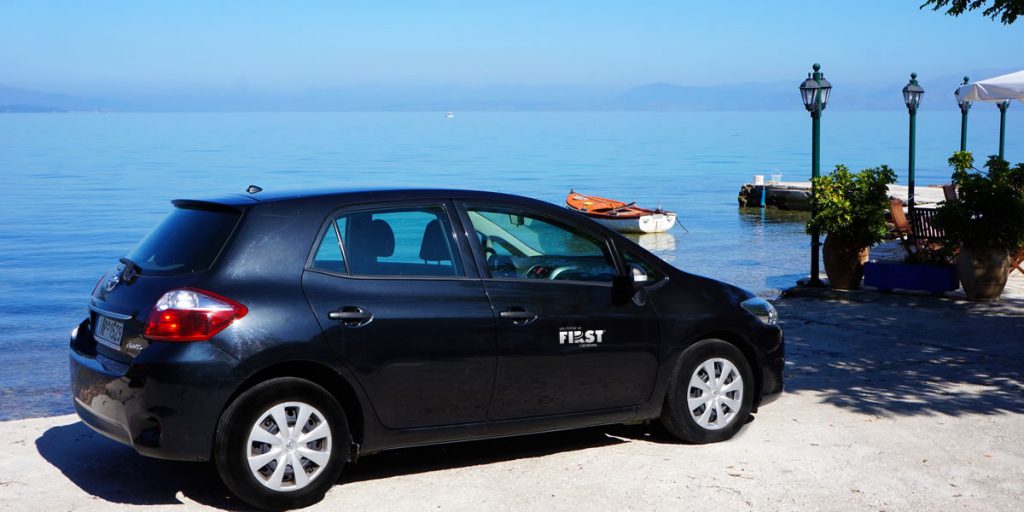
First Corfu runs newer cars. Most of their fleet is under two years old, which means better AC (you’ll care about this in July) and fewer breakdowns.
What really stands out is their customer service. They actually explain the insurance options instead of rushing you through paperwork. I’ve had rentals where I had no idea what I was signing, and First Corfu doesn’t do that.
They include an extra driver at no charge. Most companies hit you with €5 to €10 per day for this, so if you’re traveling with someone who also wants to drive, you’re saving €35 to €70 on a week-long rental.
Their staff speaks clear English, which helps when you’re asking about things like where to return the car or what to do if you get a flat tire.
Airport and port pickup both work smoothly. They run on time.
Who should book here: Travelers who want a reliable car and don’t mind paying a bit more for better service.
For more info, visit https://firstcorfu.com/
4. Lets Drive – Best for No-Hassle Rentals

Lets Drive accepts debit cards. That’s rare in Greece where most rental companies demand a credit card for the deposit.
Even better: they don’t require a deposit on most bookings. You just pay the rental fee and you’re done. I know people who don’t have credit cards or don’t want to put a €500 hold on their card for a week.
The pickup process is fast. You show your license and passport, sign one page, and you’re driving in ten minutes. Compare that to companies where you’re standing at a counter for 45 minutes.
Their insurance is straightforward. Full coverage with clear terms. No weird exceptions buried in fine print.
They deliver anywhere on the island. Hotel, Airbnb, even private villas in the middle of nowhere. And if you need to cancel, you can do it up to 48 hours before your rental starts without losing money.
Who should book here: Tourists who want simple and straightforward without any payment headaches.
For more info, visit https://www.letsdrive.gr/en/corfu-airport-car-rental
5. Rent 4 All – Best for Local Expertise

Rent 4 All is a family business that’s been around for decades. The difference shows.
When you pick up your car, they’ll tell you which roads to avoid and which beaches are worth the drive. They know the island because they live there. I got better recommendations from them than I did from my guidebook.
They stock smaller cars that fit through old town streets. If you’re planning to visit villages like Lakones or Krini, you need something compact. A big SUV won’t make it.
Their off-season rates are cheaper than anyone else. If you’re visiting in April or October, check their prices first.
They have offices at the airport and in Corfu Town, so you can pick up in one spot and drop off at the other if your travel plans change.
The 24/7 support is actually local people, not a call center in another country. When I had a question about parking in Corfu Old Town, they answered right away.
Who should book here: Travelers who value local knowledge and want someone who actually knows the island helping them.
For more info, visit https://www.rent4allcorfu.com/
Essential Tips for Renting a Car in Corfu
Book Early – Especially for Automatic Cars
Most cars in Greece have manual transmissions.
If you can’t drive stick, you need to book months ahead. I’m talking two to three months before your trip if you’re going in July or August.
Automatic cars make up maybe 20% of rental fleets in Corfu. They get snatched up fast because every American and British tourist wants one.
I’ve seen people show up in peak season asking for an automatic and getting quoted €80 per day because that’s all that’s left. The same car booked in April would’ve cost €35.
Some travelers think they can just grab a manual and figure it out. Bad idea. Corfu has steep hills and narrow streets where you’re constantly stopping and starting. Learning to drive stick on Greek mountain roads is stressful for you and dangerous for everyone else.
Pro tip: If you’re flexible on dates, traveling in May or late September gives you way more car options at better prices.
Choose the Right Car Size
I see tourists roll up in massive SUVs thinking they need the space.
Then they try to drive through Corfu Old Town or park in a mountain village and realize they made a mistake.
The roads in places like Lakones are barely wide enough for one car. Stone walls on both sides. If you meet another vehicle, someone’s backing up. A small car makes this so much easier.
Economy or compact cars also have better gas mileage, which matters when you’re driving 50 to 100 kilometers a day. And parking is simpler when your car actually fits in the spaces.
Now if you’re traveling with kids and have three big suitcases, sure, get something bigger. Just know you’ll be skipping some villages because your car won’t fit down those streets.
The one thing I do recommend: pick a car with some power. Corfu has steep inclines, and a weak engine struggles when you’re climbing up to places like Old Perithia. You don’t need a sports car, but avoid the absolute cheapest engine option.
Understand Insurance Options
Car rental insurance confuses everyone. The companies don’t make it easy.
Here’s what you need to know: CDW (Collision Damage Waiver) is the basic insurance. It’s usually included in your rental price, but it comes with a high excess. That means if you damage the car, you’re paying the first €800 to €1,200 out of pocket.
Super CDW or full insurance drops that excess down to €0 to €300. It costs an extra €8 to €15 per day.
Some people skip it thinking they’ll be careful. Then they scrape a mirror on a narrow street or hit a pothole that damages the tire. Guess what basic insurance doesn’t cover? Tires, windshields, and keys.
I watched someone’s whole vacation budget get wrecked because they declined extra coverage and cracked a windshield. They paid €450 to replace it.
Is full insurance worth it? On Corfu, yes. The roads are tricky. Stuff happens. Spending €70 to €100 extra for a week of coverage beats risking a €1,000 bill.
Some credit cards offer rental insurance if you book with them. That can work, but read the fine print. A lot of them don’t cover rentals in Greece or have exceptions for certain types of damage.
What You Need to Rent
Bring your driver’s license (obviously). You need to have held it for at least one year.
You’ll also need a passport or national ID card. Some companies want to see both even though legally one should be enough.
Most places require a credit or debit card. A few companies like Lets Drive don’t need a credit card, but that’s the exception.
Minimum age is usually 21. For bigger cars or luxury vehicles, they bump it up to 25. If you’re under 25, expect to pay a young driver fee of €5 to €10 per day at some companies.
Do you need an International Driving Permit? Not if you’re from the EU, UK, US, Canada, or Australia. Your regular license works fine. I’ve rented cars in Corfu five times and never once got asked for an IDP.
Driving in Corfu: What to Expect
You drive on the right side of the road in Greece. If you’re coming from the UK or Australia, that takes some getting used to.
The roads around the airport and main beach towns are in good shape. Once you head into the mountains, things get narrower and windier. Take it slow.
One thing that threw me off: Greek drivers flash their hazard lights when they park. It doesn’t mean there’s an emergency. It just means they’re stopping for a minute. You’ll see cars pulled over on the side of the road with hazards on while someone runs into a bakery.
Pedestrians cross wherever they want. Don’t expect them to use crosswalks. Just stay alert.
Avoid driving in Corfu Old Town if you can. Most of it is pedestrian-only and the streets that do allow cars are barely one lane wide. Park outside and walk in.
Gas stations get scarce once you leave the main towns. I ran low on fuel near Old Perithia once and had to backtrack 15 kilometers to find a station. Fill up when you see one.
Speed limits are 50 km/h in towns and 60 to 80 km/h on open roads. People don’t always follow this, but the police do set up speed traps near popular beaches in summer.
Parking in Corfu Town is tough. Use the paid lots near the New Fortress or by the port. Street parking fills up fast and you’ll circle for 20 minutes looking for a spot.
The roads are safe if you drive defensively. Just remember that Greek drivers are more aggressive than what you might be used to, and those mountain curves require your full attention.
Ready to Explore Corfu?
You came here wondering which car rental company to book in Corfu.
Now you know your five best options. Each one handles the basics well, but they fit different needs. Sluta Leta for quick airport pickup. Olympus for long rentals on a budget. First Corfu for newer cars and better service. Lets Drive if you don’t have a credit card. Rent 4 All for local knowledge.
Here’s the thing: Corfu isn’t the kind of place you see from a bus window. The best parts are hidden up mountain roads or tucked into coves that most tourists never find.
A rental car gives you that access.
Book two to three months ahead if you need an automatic. Read the insurance terms before you decline extra coverage. And pick a small car if you’re planning to visit villages.
The companies I listed all have strong reviews from actual tourists who rented from them recently. They deliver on time, their cars work, and they don’t hit you with surprise fees at pickup.
Pick the one that fits your trip and book it now before rates go up or cars sell out.
Your Corfu trip starts the moment you drive off the lot.
 Founder & Visionary Director
Syrelia Xelthorne is the visionary founder of the organization, known for her bold ideas and relentless determination. She established the company with a mission to blend innovation, culture, and global connectivity. With a background in international development and creative strategy, she shaped the company’s long-term vision. Her leadership style combines empathy with decisive action, earning her deep respect across teams. Syrelia is passionate about building inclusive opportunities and empowering emerging talent. She remains actively involved in strategic partnerships and global expansion efforts. Under her guidance, the organization has grown into a recognized leader in its field.
Founder & Visionary Director
Syrelia Xelthorne is the visionary founder of the organization, known for her bold ideas and relentless determination. She established the company with a mission to blend innovation, culture, and global connectivity. With a background in international development and creative strategy, she shaped the company’s long-term vision. Her leadership style combines empathy with decisive action, earning her deep respect across teams. Syrelia is passionate about building inclusive opportunities and empowering emerging talent. She remains actively involved in strategic partnerships and global expansion efforts. Under her guidance, the organization has grown into a recognized leader in its field.