
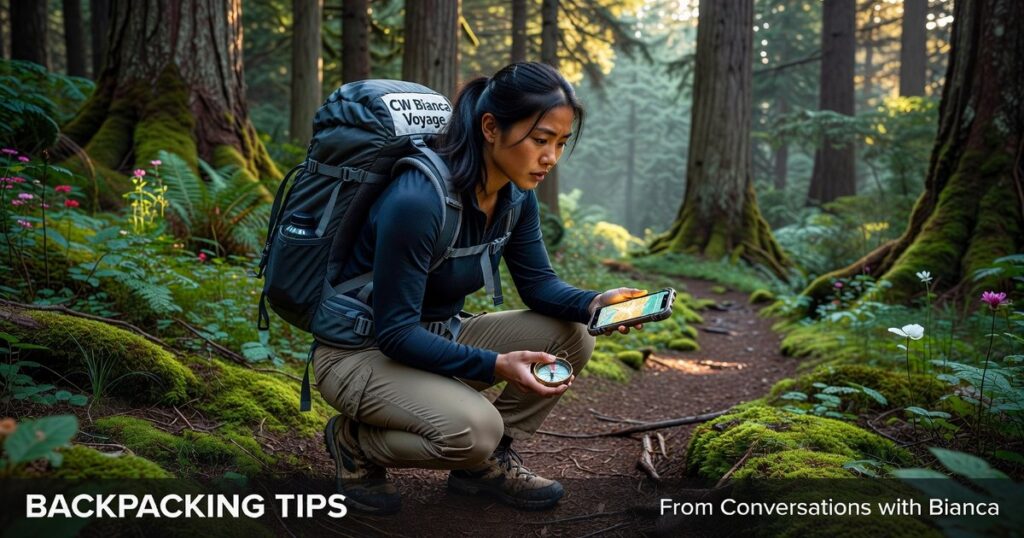
I’ve spent years moving through countries with nothing but a backpack and whatever lessons the road decided to teach me that day.
You’re probably here because you want more than a list of what to pack. You want to know how to actually travel in a way that feels real.
Here’s what I learned: the difference between a tourist and a traveler isn’t about how long you stay or how little you spend. It’s about how you show up.
I’ve made every mistake you can make on the road. I’ve overpacked, underprepared, and missed connections (both the flight kind and the human kind). But those mistakes taught me what actually matters when you’re living out of a bag.
This guide shares backpacking tips that changed how I move through the world. Not the obvious stuff about packing cubes or travel insurance. The things that made my trips feel less like checking boxes and more like living.
These lessons came from real moments. From getting lost in cities where I didn’t speak the language. From long bus rides next to strangers who became friends. From figuring out what you actually need when everything you own fits on your back.
You’ll find tips that make your travels smoother, sure. But more than that, you’ll learn how to travel in a way that opens doors instead of just passing through them.
No fluff about finding yourself or changing your life. Just what works when you’re out there doing it.
The ‘3-Item Rule’: Packing for Freedom, Not for ‘What Ifs’
You don’t need half the stuff in your suitcase.
I’ll say it again because most people don’t believe me the first time. You really don’t need it.
Every time I see someone at the airport wrestling with an overstuffed bag, I know exactly what happened. They packed for every possible scenario that might occur. Rain. Cold. Heat. A fancy dinner that probably won’t happen. A hiking trip they’re not even sure they’ll take.
Here’s my take on this.
That “just in case” mindset is killing your freedom.
Some travelers will tell you that being prepared means having options. They say you need backup outfits and extra shoes because you never know what might come up. And sure, that sounds reasonable if you’re staying in one place.
But if you’re actually moving around? That extra weight becomes your enemy real fast.
I learned this the hard way in Thailand. I packed seven shirts for a two-week trip (because that seemed reasonable). I wore three of them. The rest just took up space and made me resent my bag every time I had to carry it up another hostel staircase.
Now I follow what I call the 3-Item Rule.
Three tops. Two bottoms. One outer layer.
That’s it. You mix them. You match them. You layer when it’s cold. And somehow, you have enough outfits to last weeks without looking like you wear the same thing every day.
The secret is choosing pieces that work together. Neutral colors help. So does picking clothes that don’t wrinkle easily or show dirt after one wear.
Multi-purpose gear changes everything.
A sarong isn’t just a sarong. It’s a beach towel. A skirt. A scarf. A blanket on a cold bus ride. A curtain for a hostel bed that has zero privacy. I’ve used mine for all of these things and more.
Solid shampoo bars are another game changer. They work as body wash. Hair wash. Even laundry soap when you need to hand-wash clothes in a sink. Plus they don’t count against your liquid limit at airport security (which is a nice bonus).
Your shoes matter too. I wear sandals that can handle both city walking and light hiking. Are they the absolute best for either activity? No. But they’re good enough for both, and that’s what counts.
Here’s what nobody tells you about packing light.
You can buy stuff when you get there.
I know that sounds obvious, but fear stops people from believing it. What if you can’t find deodorant? What if the stores don’t have your preferred brand of contact solution? What if, what if, what if.
Listen. Unless you’re trekking to an extremely remote location, there are stores. People who live there need the same basic things you need. They have toothpaste. Sunscreen. Tampons. All of it.
And honestly? Buying things locally is part of the experience. You support small businesses. You figure out how to navigate a pharmacy where nobody speaks English. You discover that Korean sunscreen is actually way better than what you’ve been using at home.
Some of my best travel memories involve shopping for random necessities in foreign countries. It’s not glamorous, but it’s real.
Here’s what I want you to do.
Pack your bag how you normally would. Then do a test walk around your block. Just 10 minutes of carrying it like you would through an airport or train station.
If it feels heavy, you need to remove 25% of what’s inside.
Not 10%. Not “just a couple things.” A full quarter of the contents.
This is going to feel wrong at first. You’ll want to argue with yourself about why you need each item. Do it anyway.
Because here’s the truth I wish someone had told me years ago. The lighter your bag, the more freedom you have. You can take that last-minute bus trip. You can walk an extra mile to find cheaper accommodation. You can actually enjoy moving through the world instead of being weighed down by stuff you don’t need.
For more backpacking tips cwbiancavoyage from conversationswithbianca, the key is always choosing experience over preparation. Pack less. Move more. Buy what you need along the way.
Your back will thank you. So will your sense of adventure.
Budgeting Beyond Spreadsheets: The Art of Smart Spending
Most travel budgeting advice tells you to track every coffee and every bus ticket.
That’s exhausting.
I tried it once on a three-month trip through Southeast Asia. By week two, I had receipts stuffed in every pocket and zero idea if I was actually on track.
Here’s what actually works.
The daily average method. You set one number for the day and let it breathe. Maybe you spend $80 on a guided hike Tuesday. Wednesday you hang at a free beach and spend $15. It balances out without the spreadsheet headache.
Your brain gets a break. Your wallet stays in check.
Now let’s talk about something that saves you money the second you land.
Get a local SIM card at the airport. I know it sounds basic but most travelers skip this and end up paying $10 per day for international roaming. A local SIM gives you cheap data for maps, lets you use ride-sharing apps that cost half what taxis do, and you can check food delivery deals when you’re too tired to hunt for dinner.
(Pro tip: Screenshot your important contacts before swapping SIMs so you’re not locked out of anything.)
Speaking of food, forget the advice about cooking every meal in your hostel.
Follow the locals to street food stalls. If there’s a line of people who actually live there, the food is good and cheap. I’ve had some of my best meals this way for under $3. The backpacking tips cwbiancavoyage community swears by this approach because it works everywhere from Bangkok to Bogotá.
One last thing about money itself.
Know when to swipe and when to withdraw. Use your no-fee travel card for hotels and bigger purchases where you get protection. Carry cash for markets, street vendors, and small shops that either don’t take cards or charge extra for them.
When you need cash, use ATMs inside banks during business hours. Safer and usually better rates than those standalone machines in tourist areas.
Cultural Immersion: How to Connect, Not Just Observe
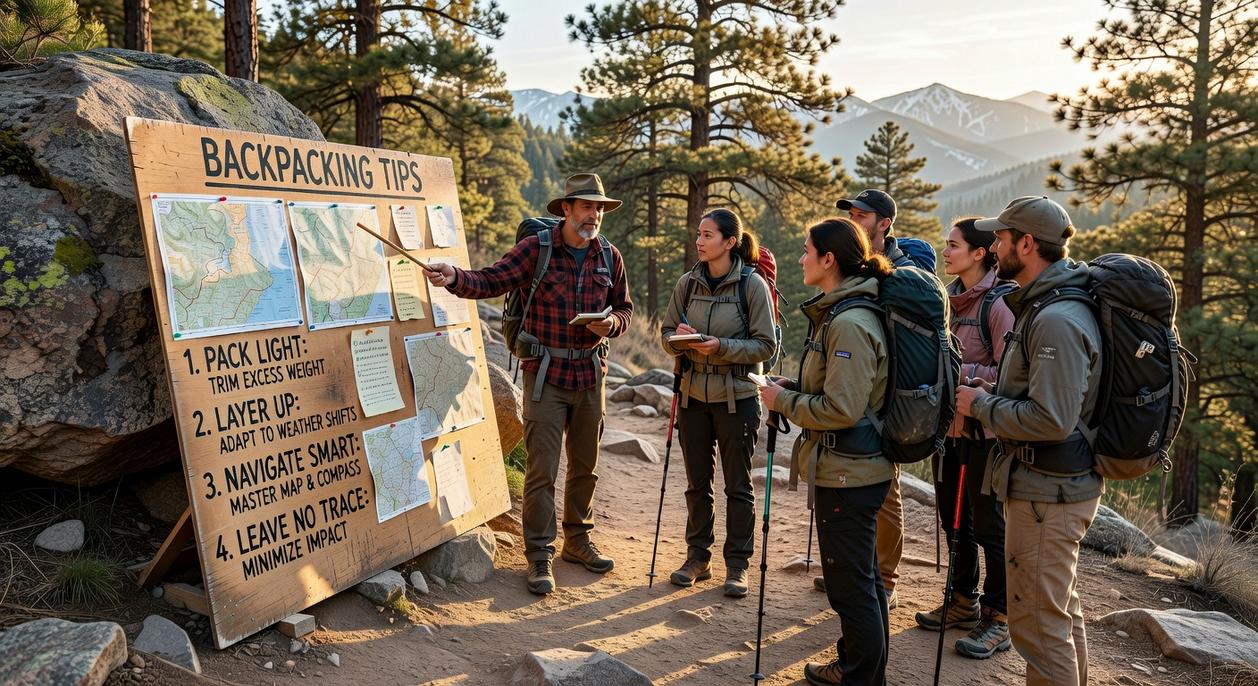
You know that feeling when you visit a new place and everything feels like a performance for tourists?
I hate that too.
Real travel happens when you stop being a spectator. When you actually connect with the people who live there instead of just snapping photos and moving on.
The Five-Phrase Rule
Start with five phrases in the local language. That’s it.
Hello. Goodbye. Please. Thank you. And delicious.
I’m serious about that last one. When you tell someone their food is delicious in their own language, faces light up. Doors open. Suddenly you’re not just another tourist with a camera.
These five phrases won’t make you fluent. But they show you tried. And that matters more than you think.
Go Beyond the Main Square
Here’s what I do in every new city.
I walk 15 minutes away from the central tourist area. Just pick a direction and go.
That’s usually where the real neighborhood starts. The cafes where locals actually drink coffee. The markets where prices aren’t inflated. The streets where kids play soccer and grandmas sit on stoops.
You’ll find better food, better prices, and better conversations. All within a 15-minute walk.
The Power of Unscheduled Time
Stop filling every hour of your itinerary.
I know it’s tempting. You want to see everything. But the best moments happen in the gaps.
That’s when a shopkeeper invites you for tea. When you stumble into a neighborhood festival. When you end up at someone’s dinner table sharing stories (this has happened to me more times than I can count).
Block out empty time. Call it what it is on your schedule: unscheduled. Protect it like you would any other appointment.
Engage with Local Guides
Skip the big tour companies when you can.
Find independent local guides instead. They know stories that aren’t in guidebooks. They take you to their favorite spots, not just the standard stops.
Yes, it takes more work to find them. Check community boards, ask at locally-owned guesthouses, or look for recommendations in traveling tips cwbiancavoyage forums.
But you’ll get a real perspective. Not a scripted speech they’ve given 500 times.
The difference between observing and connecting? It’s smaller than you think. Just a few intentional choices that show you care about more than checking boxes.
Proactive Safety: Staying Secure Without the Stress
Let me clear something up right away.
Staying safe while traveling doesn’t mean living in fear. It just means being smart about a few simple things.
I see travelers fall into two camps. Some ignore safety completely because they don’t want to “ruin the vibe.” Others stress so much they can’t enjoy their trip.
Neither approach works.
What does work? A handful of practical steps that become second nature after your first trip.
Digital Safety First
Start with your connection. Public Wi-Fi at cafes and airports is convenient but risky. Anyone on that network can potentially see what you’re doing.
A VPN fixes this. It creates a secure tunnel for your data so nobody can peek at your banking info or passwords.
Before you leave Wi-Fi range, download offline maps. Google Maps and Maps.me both let you save entire cities to your phone. You can navigate without burning through data or getting lost when your signal drops (which always happens when you need it most).
Back up your photos daily. Not next week. Daily. Cloud storage means if your phone gets stolen or takes a swim, you don’t lose everything.
The Decoy Wallet
Here’s a trick that gives you peace of mind.
Carry two wallets. Your real one stays hidden with your actual cards and most of your cash. The decoy holds maybe twenty bucks and some expired gift cards.
If someone demands your wallet, you hand over the decoy without hesitation. They get something. You keep what matters.
Situational Awareness Simplified
This isn’t about being paranoid. Think of it as positive observation.
Notice who’s around you. Know the address where you’re staying. If something feels off, it probably is.
Your gut instinct exists for a reason. When it speaks up, listen.
I always snap a photo of my accommodation’s entrance and save the address in my phone. Trying to explain “the blue building near the market” to a taxi driver at midnight never goes well.
Share Your Itinerary
Let someone back home know your plans. Not every detail, just the basics.
A shared Google Doc works perfectly. Drop in your accommodation names, travel dates, and rough plans. Update it when things change.
Your friend or family member can check in without bothering you constantly. And if something does go wrong, they know where to start looking.
For more practical tips like these, check out by conversationswithbianca traveling hacks cwbiancavoyage.
Safety isn’t complicated. It’s just about building a few good habits before you go.
Your Journey, Enhanced
You came for backpacking tips cwbiancavoyage from conversationswithbianca and now you have a complete framework for traveling smarter, deeper, and safer.
Backpacking can be overwhelming. I get it.
The logistics pile up and suddenly you’re stressed before you even leave home.
But it doesn’t have to be that way.
When you focus on smart packing, mindful spending, genuine connection, and proactive safety, something shifts. Your trip transforms from a vacation into a true voyage.
Here’s what I want you to do: Start with one tip on your next trip. Just one.
Which will it be? The packing hack that saves you space? The budgeting strategy that stretches your money? The safety practice that gives you peace of mind?
The journey to becoming a better traveler begins with a single, simple step.
Pick yours and go. Homepage.
 Founder & Visionary Director
Syrelia Xelthorne is the visionary founder of the organization, known for her bold ideas and relentless determination. She established the company with a mission to blend innovation, culture, and global connectivity. With a background in international development and creative strategy, she shaped the company’s long-term vision. Her leadership style combines empathy with decisive action, earning her deep respect across teams. Syrelia is passionate about building inclusive opportunities and empowering emerging talent. She remains actively involved in strategic partnerships and global expansion efforts. Under her guidance, the organization has grown into a recognized leader in its field.
Founder & Visionary Director
Syrelia Xelthorne is the visionary founder of the organization, known for her bold ideas and relentless determination. She established the company with a mission to blend innovation, culture, and global connectivity. With a background in international development and creative strategy, she shaped the company’s long-term vision. Her leadership style combines empathy with decisive action, earning her deep respect across teams. Syrelia is passionate about building inclusive opportunities and empowering emerging talent. She remains actively involved in strategic partnerships and global expansion efforts. Under her guidance, the organization has grown into a recognized leader in its field.